Many books introduce C#, but if you don't have the time to read 1200 pages, Accelerated C# 2008 gives you everything you need to know about C# 2008 in a concentrated 500 pages of must-know information and best practices. C# 2008 offers powerful new features, and Accelerated C# 2008 is the fastest path to mastery, for both experienced C# programmers moving to C# 2008 and programmers moving to C# from another object-oriented language. You'll quickly master C# syntax while learning how the CLR simplifies many programming tasks. You'll also learn best practices that ensure your code will be efficient, reusable, and robust. Why spend months or years discovering the best ways to design and code C# when this book will show you how to do things the right way, right from the start? - Comprehensively and concisely explains both C# 2005 and C# 2008 features - Focuses on the language itself and on how to use C# 2008 proficiently for all .NET application development - Concentrates on how C# features work and how to best use them for robust, high-performance code. What you'll learn - How C# works with and exploits the CLR - How to use arrays, collections, and iterators - How to handle events with delegates and anonymous functions - How to design and use generic types and methods - How to thread efficiently and robustly - How to use the C# 2008 anonymous types, lamba expressions, and extension methods Who is this book for? If you're an experienced C# programmer, you need to understand how C# has changed with C# 2008. If youre an experienced object-oriented programmer moving to C#, you want to ramp up quickly in the language while learning the latest features and techniques. In either case, this book is for you. The first three chapters succinctly present C# fundamentals, for those new to or reviewing C#. The rest of the book covers all the major C# features, in great detail, explaining how they work and how best to use them. Whatever your background or need, youll treasure this book for as long as you code in C# 2008. Accelerated C# 2008......Page 0 Contents at a Glance......Page 6 Contents......Page 8 Foreword......Page 18 About the Author......Page 20 About the Technical Reviewer......Page 22 Acknowledgments......Page 24 Introduction......Page 26 About This Book......Page 27 C#......Page 30 CLR Garbage Collection......Page 31 Example of a C# Program......Page 32 Overview of Features Added in C# 2.0......Page 34 Overview of What’s New in C# 3.0......Page 35 Summary......Page 36 C# and the CLR......Page 38 The JIT Compiler in the CLR......Page 39 Minimizing the Working Set of the Application......Page 40 Loading Assemblies......Page 41 Metadata......Page 42 Cross-Language Compatibility......Page 43 Summary......Page 44 C# Is a Strongly Typed Language......Page 46 Expressions......Page 47 Types and Variables......Page 48 Value Types......Page 50 Enumerations......Page 51 Reference Types......Page 53 Implicitly Typed Local Variables......Page 54 Type Conversion......Page 56 as and is Operators......Page 58 Generics......Page 60 Namespaces......Page 61 Defining Namespaces......Page 62 Using Namespaces......Page 63 switch......Page 64 break, continue, goto, return, and throw......Page 65 Summary......Page 66 Classes, Structs, and Objects......Page 68 Fields......Page 70 Constructors......Page 73 Static Methods......Page 74 Instance Methods......Page 75 Declaring Properties......Page 76 Read-Only and Write-Only Properties......Page 77 Auto-Implemented Properties......Page 78 Encapsulation......Page 80 Accessibility......Page 84 Interfaces......Page 85 Accessibility of Members......Page 86 Implicit Conversion and a Taste of Polymorphism......Page 87 Member Hiding......Page 89 The base Keyword......Page 91 sealed Classes......Page 93 Nested Classes......Page 94 Indexers......Page 98 partial Classes......Page 99 partial Methods......Page 100 Static Classes......Page 101 Reserved Member Names......Page 103 Value Type Definitions......Page 104 Constructors......Page 105 The Meaning of this......Page 107 Finalizers......Page 109 Anonymous Types......Page 110 Object Initializers......Page 113 Boxing and Unboxing......Page 116 When Boxing Occurs......Page 120 Efficiency and Confusion......Page 122 System.Object......Page 123 Creating Objects......Page 124 Using new with Class Types......Page 125 Field Initialization......Page 126 Static (Class) Constructors......Page 127 Instance Constructor and Creation Ordering......Page 130 Destroying Objects......Page 133 Finalizers......Page 134 Deterministic Destruction......Page 135 The IDisposable Interface......Page 136 The using Keyword......Page 139 Value Arguments......Page 140 ref Arguments......Page 141 out Parameters......Page 142 Method Overloading......Page 143 override and new Methods......Page 144 Inheritance, Containment, and Delegation......Page 147 Choosing Between Interface and Class Inheritance......Page 148 Delegation and Composition vs. Inheritance......Page 149 Summary......Page 151 Interfaces and Contracts......Page 152 Interfaces Define Types......Page 153 What Can Be in an Interface?......Page 154 Interface Inheritance and Member Hiding......Page 155 Implicit Interface Implementation......Page 157 Explicit Interface Implementation......Page 158 Overriding Interface Implementations in Derived Classes......Page 160 Beware of Side Effects of Value Types Implementing Interfaces......Page 163 Interface Member Matching Rules......Page 164 Explicit Interface Implementation with Value Types......Page 168 Versioning Considerations......Page 170 Contracts Implemented with Classes......Page 171 Choosing Between Interfaces and Classes......Page 173 Summary......Page 177 Types and Formats of Overloaded Operators......Page 178 Operators Shouldn’t Mutate Their Operands......Page 179 Overloading the Addition Operator......Page 180 Comparison Operators......Page 182 Conversion Operators......Page 185 Boolean Operators......Page 187 Summary......Page 190 How the CLR Treats Exceptions......Page 192 Changes with Unhandled Exceptions Starting with .NET 2.0......Page 193 Syntax Overview of the try Statement......Page 194 Rethrowing Exceptions and Translating Exceptions......Page 196 Exceptions Thrown in finally Blocks......Page 198 Exceptions Thrown in Finalizers......Page 199 Exceptions Thrown in Static Constructors......Page 200 Who Should Handle Exceptions?......Page 201 Achieving Exception Neutrality......Page 202 Basic Structure of Exception-Neutral Code......Page 203 Constrained Execution Regions......Page 208 Critical Finalizers and SafeHandle......Page 210 Creating Custom Exception Classes......Page 214 Working with Allocated Resources and Exceptions......Page 215 Providing Rollback Behavior......Page 219 Summary......Page 222 String Overview......Page 224 String Literals......Page 225 Format Specifiers and Globalization......Page 226 Object.ToString, IFormattable, and CultureInfo......Page 227 Creating and Registering Custom CultureInfo Types......Page 228 Format Strings......Page 230 Console.WriteLine and String.Format......Page 231 Examples of String Formatting in Custom Types......Page 232 ICustomFormatter......Page 233 Comparing Strings......Page 235 Working with Strings from Outside Sources......Page 237 StringBuilder......Page 238 Searching with Regular Expressions......Page 240 Searching and Grouping......Page 242 Replacing Text with Regex......Page 245 Regex Creation Options......Page 248 Summary......Page 249 Introduction to Arrays......Page 250 Implicitly Typed Arrays......Page 251 Type Convertibility and Covariance......Page 253 Synchronization......Page 254 Vectors vs. Arrays......Page 255 Multidimensional Rectangular Arrays......Page 257 Multidimensional Jagged Arrays......Page 258 Comparing ICollection with ICollection......Page 260 Collection Synchronization......Page 261 Lists......Page 262 Dictionaries......Page 263 System.Collections.ObjectModel......Page 264 Efficiency......Page 267 IEnumerable , IEnumerator , IEnumerable, and IEnumerator......Page 268 Iterators......Page 271 Forward, Reverse, and Bidirectional Iterators......Page 276 Collection Initializers......Page 280 Summary......Page 281 Overview of Delegates......Page 282 Delegate Creation and Use......Page 283 Single Delegate......Page 284 Delegate Chaining......Page 285 Iterating Through Delegate Chains......Page 287 Unbound (Open Instance) Delegates......Page 288 Events......Page 291 Anonymous Methods......Page 295 Beware the Captured Variable Surprise......Page 299 Anonymous Methods as Delegate Parameter Binders......Page 301 The Strategy Pattern......Page 305 Summary......Page 307 Generics......Page 308 Difference Between Generics and C++ Templates......Page 309 Efficiency and Type Safety of Generics......Page 310 Generic Type Definitions and Constructed Types......Page 311 Generic Classes and Structs......Page 312 Generic Interfaces......Page 314 Generic Methods......Page 315 Generic Delegates......Page 317 Generic Type Conversion......Page 320 Default Value Expression......Page 321 Nullable Types......Page 322 Generics and Inheritance......Page 324 Constraints......Page 326 Constraints on Nonclass Types......Page 330 Generic System Collections......Page 331 Generic System Interfaces......Page 332 Conversion and Operators Within Generic Types......Page 334 Creating Constructed Types Dynamically......Page 343 Summary......Page 345 Threading in C# and .NET......Page 346 Starting Threads......Page 347 States of a Thread......Page 349 Terminating Threads......Page 352 Halting Threads and Waking Sleeping Threads......Page 353 Waiting for a Thread to Exit......Page 354 Foreground and Background Threads......Page 355 Thread-Local Storage......Page 356 How Unmanaged Threads and COM Apartments Fit In......Page 359 Synchronizing Work Between Threads......Page 360 Lightweight Synchronization with the Interlocked Class......Page 361 Monitor Class......Page 366 Beware of Boxing......Page 370 Pulse and Wait......Page 371 ReaderWriterLock......Page 374 ReaderWriterLockSlim......Page 377 Mutex......Page 378 Events......Page 379 Win32 Synchronization Objects and WaitHandle......Page 380 Using ThreadPool......Page 382 Asynchronous Method Calls......Page 383 Timers......Page 390 Summary......Page 391 Reference Type Canonical Forms......Page 392 Default to sealed Classes......Page 393 Use the Non-Virtual Interface (NVI) Pattern......Page 394 Is the Object Cloneable?......Page 397 Is the Object Disposable?......Page 402 Does the Object Need a Finalizer?......Page 404 Reference Types and Identity Equality......Page 411 Overriding Object.Equals for Reference Types......Page 414 If You Override Equals, Override GetHashCode Too......Page 417 Does the Object Support Ordering?......Page 420 Is the Object Formattable?......Page 422 Is the Object Convertible?......Page 426 Prefer Type Safety at All Times......Page 428 Using Immutable Reference Types......Page 432 Value Type Canonical Forms......Page 434 Override Equals for Better Performance......Page 435 Do Values of This Type Support Any Interfaces?......Page 439 Implement Type-Safe Forms of Interface Members and Derived Methods......Page 440 Checklist for Reference Types......Page 443 Checklist for Value Types......Page 444 Introduction to Extension Methods......Page 446 How Does the Compiler Find Extension Methods?......Page 447 Under the Covers......Page 450 Code Readability vs. Code Understandability......Page 451 Consider Extension Methods Over Inheritance......Page 452 Isolate Extension Methods in Separate Namespace......Page 453 Transforms......Page 454 Operation Chaining......Page 458 Custom Iterators......Page 459 Borrowing from Functional Programming......Page 461 The Visitor Pattern......Page 466 Summary......Page 470 Introduction to Lambda Expressions......Page 472 Lambda Expressions......Page 473 Lambda Statements......Page 477 Expression Trees......Page 478 Operating on Expressions......Page 480 Functions As Data......Page 481 Iterators and Generators Revisited......Page 482 Closures (Variable Capture) and Memoization......Page 485 Currying......Page 489 Anonymous Recursion......Page 491 Summary......Page 493 A Bridge to Data......Page 494 Query Expressions......Page 495 Extension Methods and Lambda Expressions Revisited......Page 497 Standard Query Operators......Page 498 The from Clause and Range Variables......Page 499 The join Clause......Page 501 The orderby Clause......Page 503 The select Clause and Projection......Page 504 The let Clause......Page 505 The group Clause......Page 507 The into Clause and Continuations......Page 509 C# Iterators Foster Laziness......Page 511 Subverting Laziness......Page 512 Expression Trees Revisited......Page 514 Custom Standard Query Operators and Lazy Evaluation......Page 515 Replacing foreach Statements......Page 522 Summary......Page 523 References......Page 524 Blogs......Page 525 Index......Page 526
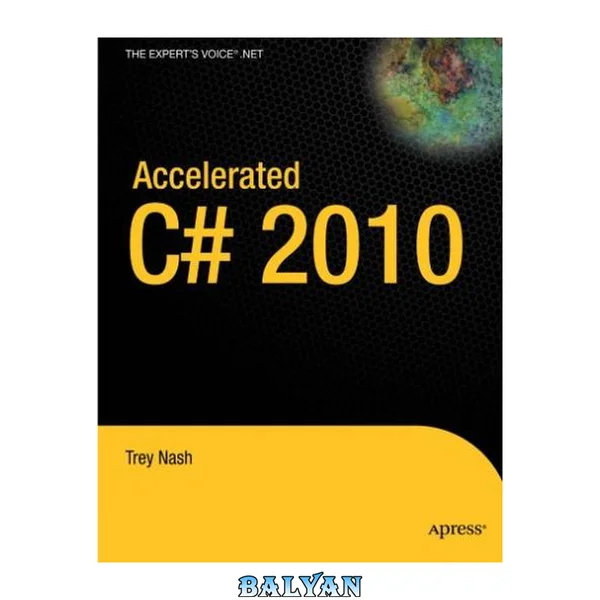
Many books introduce C#, but if you don't have the time to read 1,200 pages, Accelerated C# 2008 gives you everything you need to know about C# 2008 in a concentrated 500 pages of must-know information and best practices.
C# 2008 offers powerful new features, and Accelerated C# 2008 is the fastest path to mastery, for both experienced C# programmers moving to C# 2008 and programmers moving to C# from another object-oriented language.
You’ll quickly master C# syntax while learning how the CLR simplifies many programming tasks. You’ll also learn best practices that ensure your code will be efficient, reusable, and robust. Why spend months or years discovering the best ways to design and code C# when this book will show you how to do things the right way, right from the start?
- Comprehensively and concisely explains both C# 2005 and C# 2008 features
- Focuses on the language itself and on how to use C# 2008 proficiently for all .NET application development
- Concentrates on how C# features work and how to best use them for robust, highperformance code
What you’ll learn
- How C# works with and exploits the CLR
- How to use arrays, collections, and iterators
- How to handle events with delegates and anonymous functions
- How to design and use generic types and methods
- How to thread efficiently and robustly
- How to use the C# 2008 anonymous types, lamba expressions, and extension methods
Who this book is for
If you’re an experienced C# programmer, you need to understand how C# has changed with C# 2008. If youre an experienced objectoriented programmer moving to C#, you want to ramp up quickly in the language while learning the latest features and techniques. In either case, this book is for you. The first three chapters succinctly present C# fundamentals, for those new to or reviewing C#. The rest of the book covers all the major C# features, in great detail, explaining how they work and how best to use them. Whatever your background or need, you'll treasure this book for as long as you code in C# 2008.
Accelerated C# 3.0 is the fastest path to C# mastery. All C# programmers need to know and understand how C# really works but very few books address this. No other book covers the subject in the depth that this one does. It teaches both core C# language concepts and how to use them in high-performance code. All programmers moving to C# from any language or moving up to C# 3.0 from C# 2005 will find this book well worth buying, reading, and using as a reference. This book is both a rapid tutorial and a permanent reference. You'll quickly master C# syntax while learning how the CLR simplifies many programming tasks. You'll also learn best practices that ensure your code will be efficient, reusable and robust