
On Ceasing to Be Human
Bruns, Geraldقیمت نهایی
۴۴٬۰۰۰ تومان۴۹٬۰۰۰ تومان۱۰٪ تخفیف
- تخفیف زماندار−۵٬۰۰۰ تومان
۵٬۰۰۰ تومان صرفهجویی نسبت به قیمت اصلی
نسخه اصلی و اورجینال
بلافاصله پس از خرید، فایل کتاب روی دستگاه شما آمادهٔ دانلود است.
تحویل فوری
پرداخت امن
ضمانت فایل
پشتیبانی
مشخصات کتاب
- نویسنده
- Bruns, Gerald
- سال انتشار
- ۲۰۱۰
- فرمت
- زبان
- انگلیسی
- حجم فایل
- ۱٫۳ مگابایت
دربارهٔ کتاب
The philosopher Stanley Cavell once asked, "Can a human being be free of human nature?" On Ceasing to Be Human examines philosophical as well as literary texts and contexts, in which various senses of Cavell's question might be explored and developed. During the past thirty or so years, the very concept of "being human" has been called into question within such fields as cybernetics, animal-rights theory, analytic philosophy (neurophilosophy in particular). This book examines these issues, but its main concern is the link between freedom and nonidentity that Cavell's question implies, and which turns out to be a major concern among the thinkers Bruns takes up in this book: Maurice Blanchot, Emmanuel Levinas, Michel Foucault, Gilles Deleuze and F?lix Guattari, and Jacques Derrida. Each of these is, in different ways, a philosopher of the "singular" for whom the singular cannot be reduced to concepts, categories, distinctions, or the rule of identity. The philosopher Stanley Cavell once asked, "Can a human being be free of human nature?" On Ceasing to Be Human examines philosophical as well as literary texts and contexts, in which various senses of Cavell's question might be explored and developed. During the past thirty or so years, the very concept of "being human" has been called into question within such fields as cybernetics, animal-rights theory, analytic philosophy (neurophilosophy in particular). This book examines these issues, but its main concern is the link between freedom and nonidentity that Cavell's question implies, and which turns out to be a major concern among the thinkers Bruns takes up in this book: Maurice Blanchot, Emmanuel Levinas, Michel Foucault, Gilles Deleuze and Félix Guattari, and Jacques Derrida. Each of these is, in different ways, a philosopher of the "singular" for whom the singular cannot be reduced to concepts, categories, distinctions, or the rule of identity. In the last few decades, the concept of "being human" has been called into question within such fields as cybernetics, animal-rights theory, analytic philosophy (neurophilosophy in particular). This book examines these issues, but its main concern is the link between freedom and nonidentity, a major concern among the thinkers the author takes up in this book: Maurice Blanchot, Emmanuel Levinas, Michel Foucault, Gilles Deleuze and Félix Guattari, and Jacques Derrida Prologue : On The Freedom Of Non-identity -- Otherwise Than Human (toward Sovereignty) -- What Is Human Recognition? (on Zones Of Indistinction) -- Desubjectivation (michel Foucault's Aesthetics Of Experience) -- Becoming Animal (some Simple Ways) -- Derrida's Cat (who Am I?). Gerald L. Bruns. Includes Bibliographical References And Index. On Ceasing to be Human explores and develops a question posed by Stanley Cavell, "Can a human being be free of human nature?" particularly in terms of the link between freedom and nonidentity.
کتابهای مشابه

On Ceasing to Be Human
۴۹٬۰۰۰ تومان
Cease
۴۹٬۰۰۰ تومان
Cease Fire
۴۹٬۰۰۰ تومان
Cease and desist
۴۹٬۰۰۰ تومان
Cease Fire
۴۹٬۰۰۰ تومان
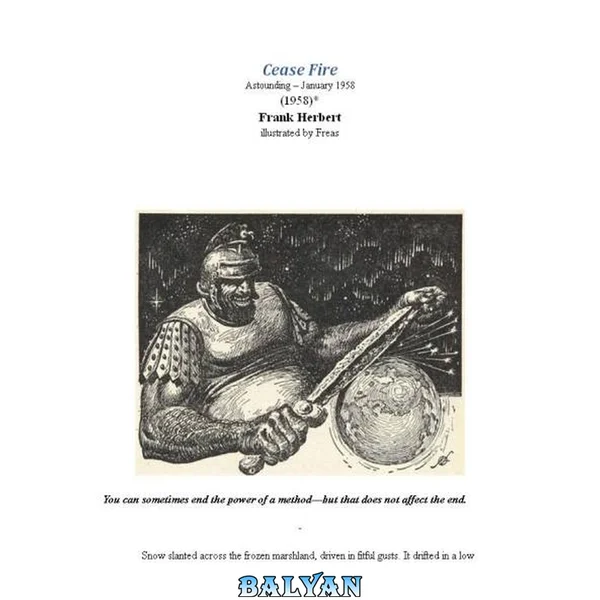
Cease Fire
۴۹٬۰۰۰ تومان
Cease and Desist
۴۹٬۰۰۰ تومان
Cease and Desist
۴۹٬۰۰۰ تومان
Cease Fire
۴۹٬۰۰۰ تومان
Cease and desist
۴۹٬۰۰۰ تومان
Cease to blush : a novel
۴۹٬۰۰۰ تومان
Cease and Desist
۴۹٬۰۰۰ تومان
قیمت نهایی
۴۴٬۰۰۰ تومان