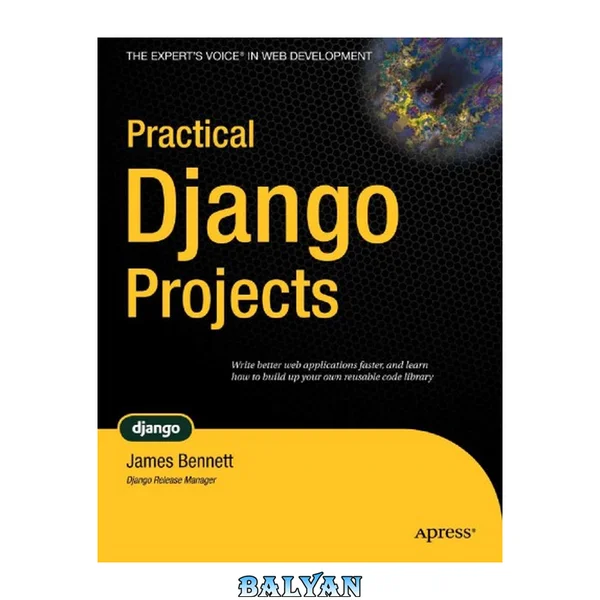
In my experience, the purpose of this book is extremely unusual in programming books. Most of them are either an introduction to the topic, or a reference book like a 'cookbook' or what basically amounts to a printed version of the online documentation. Those books get the job done for people with a project (or an employment position) in mind. They learn what they need to do to use the technology, then they get to work. We should all know by now that reading a book doesn't actually teach you anything -- you have to go out and actually apply that knowledge to really "know" the technology.But what if you want to learn to use Django, but don't have a project in mind? How cool would it be if one of the core Django developers created a couple of fully-functional applications, step-by-step, and let you follow along? That's exactly what James Bennett has done here. You can literally be brand-new to Django and finish this book having written multiple Django applications, learning all the major functionality of Django along the way, and even implementing best-practices for creating reusable applications.If you've been working with Django for any length of time, a lot of this book will feel like review, because it does explain templates, views, URLs, models, and the MTV concept. However, there's a lot in here for you as well. Here are some of the cool things in this book that you don't find in any of the standard documentation sources:\* How to (easily) integrate a rich-text editor into the Django admin interface\* Use third-party modules such as pygment, the Delicious API, and Akismet spam-blocking\* In-depth examples of creating custom template tags\* Complete examples of integrating django.contrib applications (such as comments and feeds)\* Notes on version control, distributing apps, building and deploying appsAll that and more, plus this is probably the definitive guide to writing your Django applications to be reusable. In conclusion, if you're brand-new to Django and want a yellow-brick road to walk down, here it is. If you're an experienced Django programmer, you don't need this book, but I practically guarantee you'd learn a couple of things you didn't know. If you are new to Django, however, I highly recommend that once you finish this book you read The Definitive Guide to Django: Web Development Done Right, Second Edition cover-to-cover once you finish this book. It will fill in all the gaps and you'll really be able to do pretty much anything in Django. Prelims ......Page 1 Contents at a Glance......Page 5 Contents......Page 7 About the Author......Page 13 About the Technical Reviewer......Page 15 Introduction......Page 17 What’s a Web Framework and Why Should I Want One?......Page 19 Saying Hello to Django......Page 20 Saying Hello to Python......Page 21 Installing Django......Page 22 taking your First Steps with Django......Page 23 exploring your Django Project......Page 25 Looking Ahead......Page 26 Configuring Your First Django Project......Page 27 Putting together the Cms......Page 30 introducing the Django template system......Page 36 Looking Ahead......Page 40 Adding Rich-Text Editing......Page 41 Adding a search system to the cms......Page 44 improving the search view......Page 49 improving the search Function with keywords......Page 51 looking Ahead......Page 58 Compiling a Feature Checklist......Page 61 Writing a Django Application......Page 62 Creating the Weblog Application......Page 63 Designing the models......Page 65 Building the entry model......Page 70 The Weblog models So Far......Page 80 Writing the First views......Page 83 using Django’s generic views......Page 87 Decoupling the urls......Page 90 looking Ahead......Page 93 Model......Page 95 Model......Page 101 Setting up Views for categories......Page 102 using generic Views (Again)......Page 104 Views for tags......Page 105 cleaning up the urlconf Module......Page 106 handling live entries......Page 111 looking Ahead......Page 113 Dealing with Repetitive Elements: The Power of Inheritance......Page 115 Defining the Base Template for the Blog......Page 118 Setting Up Section Templates......Page 121 Displaying Archives of Entries......Page 122 Defining Templates for Other Types of Content......Page 128 Extending the Template System with Custom Tags......Page 129 looking Ahead......Page 140 Implementing Model Inheritance and Abstract Models......Page 141 Moderating Comments......Page 147 Adding feeds......Page 158 looking Ahead......Page 165 Compiling a Feature Checklist......Page 167 Building the Initial Models......Page 168 Building Initial Views for Snippets and Languages......Page 174 Looking Ahead......Page 181 A Brief Tour of Django’s Form System......Page 183 Writing a Form for Adding code Snippets......Page 192 Automatically generating the Form from a model Definition......Page 197 Simplifying Templates That Display Forms......Page 200 editing Snippets......Page 201 looking Ahead......Page 204 Bookmarking Snippets......Page 205 Adding Basic Bookmark Views......Page 206 creating a new template tag:......Page 209 to Automatically populate template Variables......Page 214 Adding the user rating System......Page 216 Looking Ahead......Page 220 Using Version-Control Systems to Track Your Code......Page 223 Using Isolated Python Environments to Manage Software......Page 227 Using Build Tools......Page 230 Using a Deployment Tool......Page 232 Simplifying Your Django Development Process......Page 233 Looking Ahead......Page 240 Writing reusable Django applications......Page 241 One Thing at a Time......Page 242 Developing Multiple Applications......Page 244 Building for Flexibility......Page 246 Distributing Django Applications......Page 252 looking Ahead......Page 259 Index......Page 261 Prelims 1 Contents at a Glance 5 Contents 7 About the Author 13 About the Technical Reviewer 15 Introduction 17 Welcome to Django 19 What’s a Web Framework and Why Should I Want One? 19 Saying Hello to Django 20 Saying Hello to Python 21 Installing Django 22 taking your First Steps with Django 23 exploring your Django Project 25 Looking Ahead 26 Your First Django Site: a Simple CMS 27 Configuring Your First Django Project 27 Putting together the Cms 30 introducing the Django template system 36 Looking Ahead 40 Customizing the Simple CMS 41 Adding Rich-Text Editing 41 Adding a search system to the cms 44 improving the search view 49 improving the search Function with keywords 51 looking Ahead 58 a Django-powered Weblog 61 Compiling a Feature Checklist 61 Writing a Django Application 62 Creating the Weblog Application 63 Designing the models 65 Building the entry model 70 The Weblog models So Far 80 Writing the First views 83 using Django’s generic views 87 Decoupling the urls 90 looking Ahead 93 expanding the Weblog 95 Writing the 95 Model 95 Views for the 101 Model 101 Setting up Views for categories 102 using generic Views (Again) 104 Views for tags 105 cleaning up the urlconf Module 106 handling live entries 111 looking Ahead 113 templates for the Weblog 115 Dealing with Repetitive Elements: The Power of Inheritance 115 Defining the Base Template for the Blog 118 Setting Up Section Templates 121 Displaying Archives of Entries 122 Defining Templates for Other Types of Content 128 Extending the Template System with Custom Tags 129 looking Ahead 140 Finishing the Weblog 141 Comments and 141 Implementing Model Inheritance and Abstract Models 141 Moderating Comments 147 Adding feeds 158 looking Ahead 165 a Social Code-Sharing Site 167 Compiling a Feature Checklist 167 Setting Up the Application 168 Building the Initial Models 168 testing the Application 174 Building Initial Views for Snippets and Languages 174 Looking Ahead 181 Form processing in the Code-Sharing application 183 A Brief Tour of Django’s Form System 183 Writing a Form for Adding code Snippets 192 Automatically generating the Form from a model Definition 197 Simplifying Templates That Display Forms 200 editing Snippets 201 looking Ahead 204 Finishing the Code-Sharing application 205 Bookmarking Snippets 205 Adding Basic Bookmark Views 206 creating a new template tag: 209 using 214 to Automatically populate template Variables 214 Adding the user rating System 216 Looking Ahead 220 Practical Development Techniques 223 Using Version-Control Systems to Track Your Code 223 Using Isolated Python Environments to Manage Software 227 Using Build Tools 230 Using a Deployment Tool 232 Simplifying Your Django Development Process 233 Looking Ahead 240 Writing reusable Django applications 241 One Thing at a Time 242 Developing Multiple Applications 244 Building for Flexibility 246 Distributing Django Applications 252 looking Ahead 259 Index 261 Build a Django content management system, blog, and social networking site with James Bennett as he introduces version 1.1 of the popular Django framework. You'll work through the development of each project, implementing and running the applications while learning new features along the way. Web frameworks are playing a major role in the creation of today's most compelling web applications, because they automate many of the tedious tasks, allowing developers to instead focus on providing users with creative and powerful features. Python developers have been particularly fortunate in this area, having been able to take advantage of Django, a very popular open-source web framework whose stated goal is to "make it easier to build better web applications more quickly with less code." Practical Django Projects introduces this popular framework by way of a series of real–world projects. Readers follow along with the development of each project, implementing and running each application while learning new features along the way. This edition is updated for Django 1.1 and includes an all-new chapter covering practical development tools and techniques you'll be able to apply to your own development workflow. "The aim of this book is to guide you toward becoming a more effective developer, regardless of whether you're new to web development or an old hand. This book explains the technical details of developing applications with Django, but more importantly, it shows you how Django can help you write clean, flexible code with an eye toward reusability." The book is organized around three useful projects: a content management system, a blog, and a social code-sharing site. The process of building each one will expand your knowledge of Django and of best practices for high-quality application development. As you progress through these projects, you'll come to understand each of Django's major components, from database interaction and server-side processing all the way up to form handling for user interaction and HTML templating for presentation. Along the way, you'll also learn how Django's application architecture can lead to powerful and flexible applications that you'll be able to use and reuse whenever you need them. You'll pick up key principles of application design that you'll be able to apply to improving your own code. In this book, you’ll see how Django can help you achieve both of these goals—rapid application development and flexible, reusable code—through both the tools it provides to you directly and the development practices that it makes possible. I’ll guide you through the development of several example applications and show you how the various components and applications bundled with Django can help you write less code at each stage of the development process. You’ll also see first-hand a number of best practices for reusable code and learn how you can apply them in your own applications. Plus, you’ll learn how to integrate existing third-party libraries into Django-powered applications to minimize the amount of code you’ll need to write from scratch. "Practical Django Projects introduces this popular framework by way of a series of real-world projects. Readers follow along with the development of each project, implementing and running each application while learning new features along the way. This edition is updated for Django 1.1 and includes and includes an all-new chapter covering practical development tools and techniques you'll be able to apply to your own development workflow"--Resource description page