چه کسانی این کتاب را می‌خوانند

دانشجوعلاقه‌مند یادگیری
کتابخوان حرفه‌ایلذت مطالعه
نویسندهالهام‌گیری

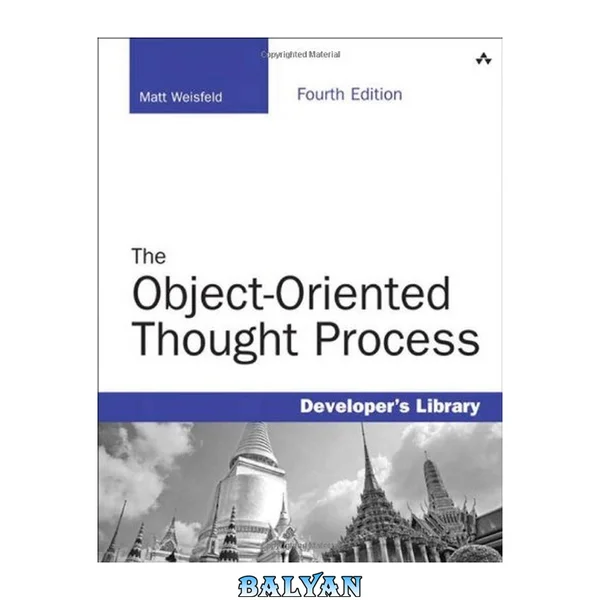
The Object-Oriented Thought Process

Weisfeld, Matt Weisfeld

قیمت نهایی

۴۹٬۰۰۰ تومان

نسخه اصلی و اورجینال

بلافاصله پس از خرید، فایل کتاب روی دستگاه شما آمادهٔ دانلود است.

تحویل فوری
پرداخت امن
ضمانت فایل
پشتیبانی

مشخصات کتاب

سال انتشار
۲۰۱۳
فرمت
PDF
زبان
انگلیسی
حجم فایل
۹٫۳ مگابایت
شابک
9780133090642، 9780133090673، 9780321861276، 9785496007931، 0133090647، 0133090671، 0321861272، 5496007933

دربارهٔ کتاب

**The Object-Oriented Thought Process, Fourth Edition__An introduction to object-oriented concepts for developers looking to master modern application practices__**Object-oriented programming (OOP) is the foundation of modern programming languages, including C++, Java, C#, Visual Basic .NET, Ruby, and Objective-C. Objects also form the basis for many web technologies such as JavaScript, Python, and PHP.It is of vital importance to learn the fundamental concepts of object orientation before starting to use object-oriented development environments. OOP promotes good design practices, code portability, and reuse-but it requires a shift in thinking to be fully understood. Programmers new to OOP should resist the temptation to jump directly into a particular programming language (such as Objective-C, VB .NET, C++, C# .NET, or Java) or a modeling language (such as UML), and instead first take the time to learn what author Matt Weisfeld calls "the object-oriented thought process."Written by a developer for developers who want to make the leap to object-oriented technologies,provides a solutions-oriented approach to object-oriented programming. Readers will learn to understand the proper uses of inheritance and composition, the difference between aggregation and association, and the important distinction between interfaces and implementations.While programming technologies have been changing and evolving over the years, object-oriented concepts remain a constant-no matter what the platform. This revised edition focuses on interoperability across programming technologies, whether you are using objects in traditional application design, in XML-based data transactions, in web page development, in mobile apps, or in any modern programming environment."Programmers who aim to create high quality software-as all programmers should-must learn the varied subtleties of the familiar yet not so familiar beasts called objects and classes. Doing so entails careful study of books such as Matt Weisfeld's." -Bill McCarty, author of Java Distributed Objects, and Object-Oriented Design in Java**Contents at a Glance**1 Introduction to Object-Oriented Concepts2 How to Think in Terms of Objects3 Advanced Object-Oriented Concepts4 The Anatomy of a Class5 Class Design Guidelines6 Designing with Objects7 Mastering Inheritance and Composition8 Frameworks and Reuse: Designing with Interfaces and Abstract Classes9 Building Objects and Object-Oriented Design10 Creating Object Models11 Objects and Portable Data: XML and JSON12 Persistent Objects: Serialization, Marshaling, and Relational Databases13 Objects in Web Services, Mobile Apps, and Hybrids14 Objects and Client/Server Applications15 Design Patterns

The Object-Oriented Thought Process, Fourth Edition

An introduction to object-oriented concepts for developers looking to master modern application practices

Object-oriented programming (OOP) is the foundation of modern programming languages, including C++, Java, C#, Visual Basic .NET, Ruby, and Objective-C. Objects also form the basis for many web technologies such as JavaScript, Python, and PHP.

It is of vital importance to learn the fundamental concepts of object orientation before starting to use object-oriented development environments. OOP promotes good design practices, code portability, and reuse–but it requires a shift in thinking to be fully understood. Programmers new to OOP should resist the temptation to jump directly into a particular programming language (such as Objective-C, VB .NET, C++, C# .NET, or Java) or a modeling language (such as UML), and instead first take the time to learn what author Matt Weisfeld calls “the object-oriented thought process.”

Written by a developer for developers who want to make the leap to object-oriented technologies, The Object-Oriented Thought Process provides a solutions-oriented approach to object-oriented programming. Readers will learn to understand the proper uses of inheritance and composition, the difference between aggregation and association, and the important distinction between interfaces and implementations.

While programming technologies have been changing and evolving over the years, object-oriented concepts remain a constant–no matter what the platform. This revised edition focuses on interoperability across programming technologies, whether you are using objects in traditional application design, in XML-based data transactions, in web page development, in mobile apps, or in any modern programming environment.

“Programmers who aim to create high quality software–as all programmers should–must learn the varied subtleties of the familiar yet not so familiar beasts called objects and classes. Doing so entails careful study of books such as Matt Weisfeld’s The Object-Oriented Thought Process.”

–Bill McCarty, author of Java Distributed Objects, and Object-Oriented Design in Java

Contents at a Glance

1 Introduction to Object-Oriented Concepts
2 How to Think in Terms of Objects
3 Advanced Object-Oriented Concepts
4 The Anatomy of a Class
5 Class Design Guidelines
6 Designing with Objects
7 Mastering Inheritance and Composition
8 Frameworks and Reuse: Designing with Interfaces and Abstract Classes
9 Building Objects and Object-Oriented Design
10 Creating Object Models
11 Objects and Portable Data: XML and JSON
12 Persistent Objects: Serialization, Marshaling, and Relational Databases
13 Objects in Web Services, Mobile Apps, and Hybrids
14 Objects and Client/Server Applications
15 Design Patterns

This work is an introduction to object-oriented concepts for developers looking to master modern application practices. Readers will learn to understand object-oriented design with inheritance or composition, object aggregation and association, and the difference between interfaces and implementations. Written by a developer for students who want to make the leap to object-oriented technologies, The Object-Oriented Thought Process, 4/e provides a solutions-oriented approach to object-oriented programming. Students will learn to understand the proper uses of inheritance and composition, the difference between aggregation and association, and the important distinction between interfaces and implementations. While programming technologies have been changing and evolving over the years, object-oriented concepts remain a constant-no matter what the platform. This revised edition focuses on interoperability across programming technologies, whether students are using objects in traditional application design, in XML-based data transactions, in web page development, in mobile apps, or in any modern programming environment While programming technologies have been changing and evolving over the years, object-oriented concepts remain a constant--no matter what the platform. Written by a developer for developers who want to make the leap to object-oriented technologies, this book provides a solutions-oriented approach to object-oriented programming. Readers will learn to understand the proper uses of inheritance and composition, the difference between aggregation and association, and the important distinction between interfaces and implementations. This revised edition focuses on interoperability across programming technologies, whether you are using objects in traditional application design, in XML-based data transactions, in Web page development, in mobile apps, or in any modern programming environment.--From publisher description

قیمت نهایی

۴۹٬۰۰۰ تومان