
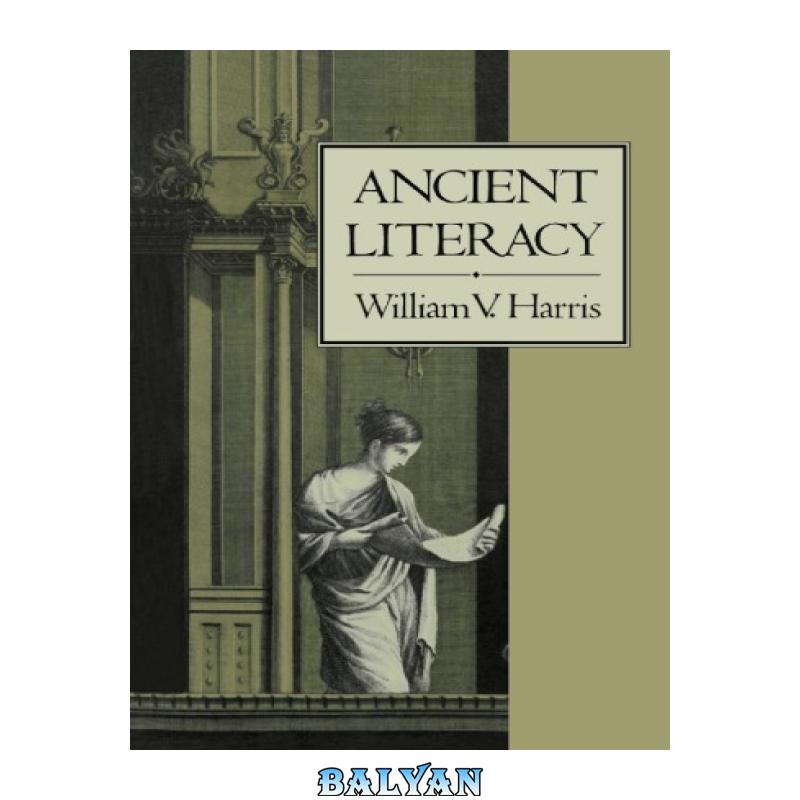


دانلود کتاب Ancient Literacy
49,000 تومان
سواد باستانی
| موضوع اصلی | تاریخ |
|---|---|
| نوع کالا | کتاب الکترونیکی |
| ناشر | Harvard University Press |
| تعداد صفحه | 383 |
| حجم فایل | 21 مگابایت |
| کد کتاب | 0674033809,9780674033801 |
| نوبت چاپ | نخستین چاپ |
| نویسنده | William V. Harris |
|---|---|
| زبان | انگلیسی |
| فرمت | |
| سال انتشار | 1989 |
جدول کد تخفیف
| تعداد کتاب | درصد تخفیف | قیمت کتاب |
| 1 | بدون تخفیف | 25,000 تومان |
| 2 | 20 درصد | 20,000 تومان |
| 3 الی 5 | 25 درصد | 18,750 تومان |
| 6 الی 10 | 30 درصد | 17,500 تومان |
| 11 الی 20 | 35 درصد | 16,250 تومان |
| 21 الی 30 | 40 درصد | 15,000 تومان |
| 31 الی 40 | 45 درصد | 13,750 تومان |
| 41 الی 50 | 50 درصد | 12,500 تومان |
| 51 الی 70 | 55 درصد | 11,250 تومان |
| 71 الی 100 | 60 درصد | 10,000 تومان |
| 101 الی 150 | 65 درصد | 8,750 تومان |
| 151 الی 200 | 70 درصد | 7,500 تومان |
| 201 الی 300 | 75 درصد | 6,250 تومان |
| 301 الی 500 | 80 درصد | 5,000 تومان |
| 501 الی 1000 | 85 درصد | 3,750 تومان |
| 1001 الی 10000 | 90 درصد | 2,500 تومان |
ترجمه فارسی توضیحات (ترجمه ماشینی)
سواد باستانی
در دنیای باستان یونانی ها و رومی ها چند نفر می توانستند بخوانند و بنویسند؟ هیچ کس قبلاً سعی نکرده است به این سؤال پاسخی سیستماتیک بدهد. اکثر مورخانی که اصلاً این مشکل را در نظر گرفتهاند، ارزیابیهای خوشبینانهای ارائه کردهاند، زیرا آنها تحت تأثیر حجم زیادی از مطالب مکتوب باستانی مانند گرافیتی در پمپئی قرار گرفتهاند. آنها همچنین تحت تأثیر گرایش به ایده آل سازی جهان یونانی و رومی و سیستم آموزشی آن قرار گرفته اند. در کتاب سواد باستان، W. V. Harris اولین کاوش کامل در سطوح، انواع و کارکردهای سواد در دنیای کلاسیک را از اختراع الفبای یونانی در حدود 800 سال قبل از میلاد ارائه می دهد. تا قرن پنجم پس از میلاد، بررسیهای جوامع دیگر نشان میدهد که سواد تنها در شرایط خاص، دستاورد نخبگان کوچکی نیست. هریس استدلال می کند که شرایط اجتماعی و تکنولوژیکی جهان باستان به گونه ای بود که سواد انبوه را غیرقابل تصور می کرد. هریس با اشاره به اینکه جامعه ای که در آستانه سوادآموزی انبوه قرار دارد، همیشه دارای سیستم آموزشی پیچیده است، بر محدودیت های مدرسه یونانی و رومی تاکید می کند و به کمبود بودجه برای آموزش ابتدایی اشاره می کند. نه یونانی ها و نه رومی ها به تکمیل گذار به نوع مدرن فرهنگ مکتوب نزدیک نشدند. آنها بیشتر از آنچه تصور می شد بر ارتباطات شفاهی متکی بودند. هریس گذار نسبی به فرهنگ مکتوب را با در نظر گرفتن حوزه اقتصادی و زندگی روزمره و همچنین قانون، سیاست، اداره و مذهب بررسی می کند. او همچنین در مورد گردش متون ادبی در سراسر دوران باستان کلاسیک چیزهای زیادی برای گفتن دارد. گسترش محدود سواد در جهان کلاسیک تأثیرات متنوعی داشت. به تفکر انتقادی انگیزه داد و به انباشت دانش کمک کرد، و اقلیتی که خواندن و نوشتن را آموختند تا حدی توانستند خود را از نظر سیاسی مطرح کنند. کلام مکتوب نیز ابزار قدرت بود و استفاده از آن برای ساخت و نگهداری امپراتوری ها ضروری بود. جالب ترین نقش نوشتن در فرهنگ دینی جدید اواخر امپراتوری روم است که در آن بیشتر و بیشتر مورد احترام بود اما کمتر و کمتر اجرا می شد. هریس این موضوعات و موضوعات مرتبط را در این اثر بسیار بدیع از تاریخ اجتماعی و فرهنگی بررسی می کند. کتاب سواد باستان خواندن مهمی برای هر کسی است که به دنیای کلاسیک، مشکل سواد، یا تاریخ کلام مکتوب علاقه دارد.
How many people could read and write in the ancient world of the Greeks and Romans? No one has previously tried to give a systematic answer to this question. Most historians who have considered the problem at all have given optimistic assessments, since they have been impressed by large bodies of ancient written material such as the graffiti at Pompeii. They have also been influenced by a tendency to idealize the Greek and Roman world and its educational system. In Ancient Literacy W. V. Harris provides the first thorough exploration of the levels, types, and functions of literacy in the classical world, from the invention of the Greek alphabet about 800 B.C. down to the fifth century A.D. Investigations of other societies show that literacy ceases to be the accomplishment of a small elite only in specific circumstances. Harris argues that the social and technological conditions of the ancient world were such as to make mass literacy unthinkable. Noting that a society on the verge of mass literacy always possesses an elaborate school system, Harris stresses the limitations of Greek and Roman schooling, pointing out the meagerness of funding for elementary education. Neither the Greeks nor the Romans came anywhere near to completing the transition to a modern kind of written culture. They relied more heavily on oral communication than has generally been imagined. Harris examines the partial transition to written culture, taking into consideration the economic sphere and everyday life, as well as law, politics, administration, and religion. He has much to say also about the circulation of literary texts throughout classical antiquity. The limited spread of literacy in the classical world had diverse effects. It gave some stimulus to critical thought and assisted the accumulation of knowledge, and the minority that did learn to read and write was to some extent able to assert itself politically. The written word was also an instrument of power, and its use was indispensable for the construction and maintenance of empires. Most intriguing is the role of writing in the new religious culture of the late Roman Empire, in which it was more and more revered but less and less practiced. Harris explores these and related themes in this highly original work of social and cultural history. Ancient Literacy is important reading for anyone interested in the classical world, the problem of literacy, or the history of the written word.
برای فرستادن دیدگاه، باید وارد شده باشید.








نقد و بررسیها
هنوز بررسیای ثبت نشده است.