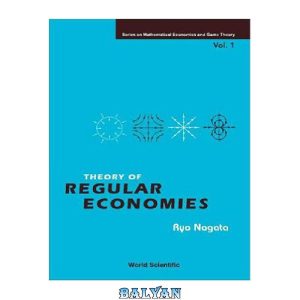
Although general equilibrium theory originated in the late nineteenth century, modern elaboration and development of the theory began only in the 1930s and 1940s. This book focuses on the version of the theory developed in the second half of the twentieth century, referred to by Lionel McKenzie as the classical general equilibrium theory. McKenzie offers detailed and rigorous treatment of the classical model, giving step-by-step proofs of the basic theorems. In many cases he elaborates on the individual steps to give a fuller understanding of the underlying principles. His goal is to provide readers with a true mastery of the methodology so that they can derive new results that will further enrich their thinking about general equilibrium theory. Special attention is given to the McKenzie model, in which it is not assumed that the number of firms is given but rather that technologies or activities are available to any agents who can supply the resources they require. The McKenzie model is used to establish the turnpike theorems of optimal and competitive capital accumulation.
ترجمه فارسی (ترجمه ماشینی)
اگرچه نظریه تعادل عمومی در اواخر قرن نوزدهم به وجود آمد، اما بسط و توسعه مدرن این نظریه تنها در دهه های 1930 و 1940 آغاز شد. این کتاب بر نسخه ای از نظریه توسعه یافته در نیمه دوم قرن بیستم تمرکز دارد که توسط لیونل مک کنزی به عنوان نظریه تعادل عمومی کلاسیک از آن یاد می شود. McKenzie با ارائه گام به گام اثبات قضایای اساسی، درمان دقیق و دقیقی از مدل کلاسیک ارائه می دهد. در بسیاری از موارد، او مراحل فردی را توضیح می دهد تا درک کامل تری از اصول اساسی ارائه دهد. هدف او این است که خوانندگان را با تسلط واقعی بر روش شناسی به دست آورند تا بتوانند نتایج جدیدی به دست آورند که تفکر آنها را در مورد تئوری تعادل عمومی غنی تر کند. توجه ویژه ای به مدل مکنزی داده شده است، که در آن فرض بر این نیست که تعداد شرکت ها داده شده است، بلکه فناوری ها یا فعالیت ها در دسترس هر عاملی است که می تواند منابع مورد نیاز خود را تامین کند. مدل مکنزی برای ایجاد قضایای چرخشی انباشت سرمایه بهینه و رقابتی استفاده می شود.





نقد و بررسیها
هنوز بررسیای ثبت نشده است.