
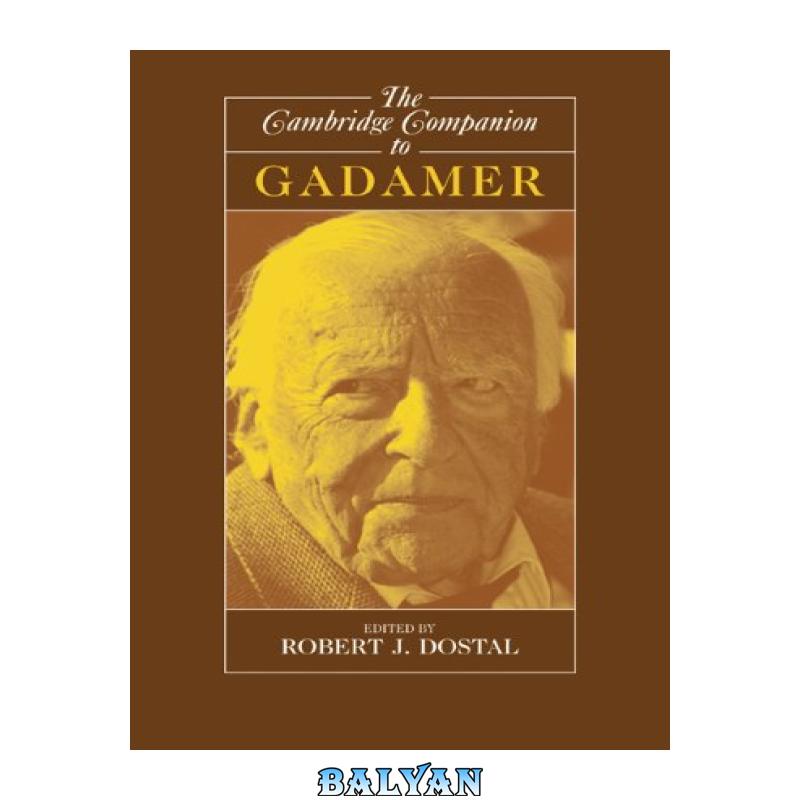


دانلود کتاب The Cambridge Companion to Gadamer (Cambridge Companions to Philosophy)
49,000 تومان
همنشین کمبریج برای گادامر (اصحاب کمبریج برای فلسفه)
| نوع کالا | کتاب الکترونیکی |
|---|---|
| ناشر | Cambridge University Press |
| تعداد صفحه | 163 |
| حجم فایل | 15 مگابایت |
| کد کتاب | 9780521000413,0521000416 |
| نوبت چاپ | 1 |
| نویسنده | Robert J. Dostal |
|---|---|
| زبان | انگلیسی |
| فرمت | |
| سال انتشار | 2002 |
جدول کد تخفیف
| تعداد کتاب | درصد تخفیف | قیمت کتاب |
| 1 | بدون تخفیف | 25,000 تومان |
| 2 | 20 درصد | 20,000 تومان |
| 3 الی 5 | 25 درصد | 18,750 تومان |
| 6 الی 10 | 30 درصد | 17,500 تومان |
| 11 الی 20 | 35 درصد | 16,250 تومان |
| 21 الی 30 | 40 درصد | 15,000 تومان |
| 31 الی 40 | 45 درصد | 13,750 تومان |
| 41 الی 50 | 50 درصد | 12,500 تومان |
| 51 الی 70 | 55 درصد | 11,250 تومان |
| 71 الی 100 | 60 درصد | 10,000 تومان |
| 101 الی 150 | 65 درصد | 8,750 تومان |
| 151 الی 200 | 70 درصد | 7,500 تومان |
| 201 الی 300 | 75 درصد | 6,250 تومان |
| 301 الی 500 | 80 درصد | 5,000 تومان |
| 501 الی 1000 | 85 درصد | 3,750 تومان |
| 1001 الی 10000 | 90 درصد | 2,500 تومان |
ترجمه فارسی توضیحات (ترجمه ماشینی)
همنشین کمبریج برای گادامر (اصحاب کمبریج برای فلسفه)
من این کتاب را برای یک سمینار فارغ التحصیل در مورد فلسفه هنر خواندم. رابرت جی داستال “همراه گادامر کمبریج” مجموعه ای عالی از مقالات است که به عنوان راهنمای خواندن “مقام اپوس” هانس گئورگ گادامر “حقیقت و روش” است، که اثری مهم نه فقط برای حوزه فلسفه است. هنر، بلکه برای معرفت شناسی، هستی شناسی، غایت شناسی، تاریخ و علوم اجتماعی. این کتاب باعث شده است که همه چیز را در نور فلسفی جدیدی «ببینم». وقتی گادامر را میخوانیم، فوراً متوجه میشویم که او تحت تأثیر مارتین هایدگر، که زیر نظر هگل و ارسطو تحصیل کرده، قرار گرفته است. هرمنوتیک روش شناسی تفسیری از یک نظریه درک موقعیت تاریخی، با واسطه زبانی، زمینه گرا و ضدبنیادگرایانه است. من می دانم که یک لقمه است، بنابراین موارد زیر این تعریف را باز می کند. خدای هرمس منبع کلمه هرمنوتیک است.
از نظر گادامر، تفسیر همیشه با «عنوان» مرتبط است، تفسیر فرض میکند که راهها یا «عدسیهای» متعددی برای نحوه تعامل ما وجود دارد. یک عدسی متفاوت روش متفاوتی برای دیدن اشیا ایجاد می کند. بنابراین، اگر «عنوان» ما «دانش شناختی» باشد، بر این اساس به یک چیز نزدیک میشویم. اگر «عنوان» ما «مفید عملی» است، بر این اساس به آن نزدیک می شویم. به عنوان مثال، یک گیاه شناس می خواهد بفهمد که چه چیزی یک درخت را به درخت تبدیل می کند، یک نجار درخت را به عنوان منبع الوار می بیند. بنابراین، هرمنوتیک درباره این ایده است که راه های زیادی برای تفسیر وجود دارد، به همین دلیل است که تاریخ بسیار مهم است. همچنین می تواند در جهان حضور داشته باشد. آیا وراثت تاریخی اجازه می دهد که یک لوح سفید وجود داشته باشد؟ نه، هیچ جدایی از آنچه که ما قادر به انجام آن هستیم، با بیعلاقگی محض به یک اثر نزدیک نمیشود، آنطور که کانت از ما خواسته است. بدون فضای جداگانه در زمان. هیچ حال نابی جدا از آینده نیست. تاریخ به ما درباره گذشته نمی گوید، بلکه از خودمان می گوید. هر حال حسی از آینده دارد، نه فقط گذشته.
تصور گادامر از تفسیر، رویگردانی از ایده حقیقت به عنوان یک امر ساده واقعیت، یا قطعیت یا یک اصل واحد است. تصور تفسیر این است که چیزی است که «باز» است. وقتی می گوییم «خب آن کار را چگونه تفسیر می کنی» از کلمه «تفسیر» به این صورت استفاده می کنیم؟ این سوال به این معنی است که یک راه برای خواندن اثر وجود ندارد. متأسفانه، اگرچه تفاوت بین تفسیر و واقعیت در این است که یک واقعیت چیزی قابل تفسیر نیست و بنابراین تفسیر به عنوان نوعی نقص تلقی می شود. به این دلیل که باز است و نمی توان با نوعی نتیجه قاطع آن را تضمین کرد، به عنوان یک موضوع کوچک تلقی می شود. هرمنوتیک به دنبال طیف وسیعی از احتمالات است. این فقط ساختن آن نیست. هرمنوتیک به این معنا نیست که نمی توان به حقایق عینی اعتقاد داشت. به عنوان مثال، یک جنگ داخلی وجود داشت، این یک واقعیت است، آنچه واقعیت نیست و دارای حقایق و تفسیرهای متعدد است، این است که “علل” جنگ داخلی چیست. بنابراین، هرمنوتیک از نظر گادامر به این معنا نیست که هر چیزی پیش میرود، بلکه فقط به این معناست که هنگام کنار آمدن با یک متن یا آثار هنری، تفسیرها و احتمالات متعددی وجود دارد. تاریخ هنر مملو از تفاسیر مختلف است. تفسیرهای متعددی برای بسیاری از حقایق مانند هنر وجود دارد.
یکی از ویژگیهای مهم تفسیر هرمنوتیکی این است که بر شرایط تاریخی هنر تأکید میکند و از نظر تاریخی، نه تنها آنچه را که قبلاً در مورد قطعه گفتیم، معنا میکند. ما باید بدانیم که شرایط تاریخی چه بوده است و اجرای کار در آن زمان چگونه بوده است، این یک چیز است. با این حال، بهعنوان یک حس عمیقتر از تاریخی بودن و به عبارت دیگر، هر رویکردی به هنر، همیشه تاریخ هنر را با خود به همراه دارد. وقتی به یک اثر هنری نزدیک میشویم، حتی قبل از اینکه به آن بپردازیم، به میراثهایی از سنت و فرهنگ خود مجهز شدهایم که از طریق آموزش و سایر انواع تأثیرات به ما میرسند. هیچ درگیر شدن با یک اثر هنری یک لوح خالی نیست، ما یک تابلوی رسا نیستیم. کلمه “هرمنوتیک” برابر است با “تفسیر”. هرمنوتیک در مورد چگونگی تفسیر یک اثر هنری صحبت می کند. هرمنوتیک یک دایره تفسیری است. هرمنوتیک معتقد است که وقتی ما در حال بیان یک بیانیه هستیم، سعی می کنیم در مورد هنر عینی باشیم یا ذهنی. چه در درون خود کار باشیم و چه معنایی که ممکن است داشته باشد، یا اگر بیش از حد بر موضوع، درک آن و آنچه در موضوع می گذرد تأکید کنیم، که اگر بر هر یک از آن ها تأکید کنیم، چیز مهم تری را از دست می دهیم. بنابراین هرمنوتیک دایره ای است. جدایی بین کار و ادراک در آنجا شکسته می شود. یک ارتباط متقابل وجود دارد. یکی از مواردی که در مورد رویکرد هرمنوتیکی وجود دارد این است که هدف آن جایگزینی برای تقسیم سوژه-ابژه است، که در تفکر مدرن زمینه را برای چگونگی صحبت از هنر مدرن از نظر هنر به عنوان یک شی یا هنر به عنوان اشاره به اشیا فراهم می کند. و سپس موضوع و سوژه ها با ابژه ارتباط دارند. با این حال، یکی از چیزهایی که در مورد هایدگر و گادامر وجود دارد، این است که آنها کل این ایده را نادیده گرفتند. در تئوری هنر، شما این تصور را دارید که اثری که جلوی سوژه و سوژه ایستاده است به اثر برخورد میکند و موضوع از کار برداشت میشود. یکی از چیزهایی که در نظریه جهان هنر تاریخی دیده ایم این است که به نوعی در راستای هرمنوتیک است که به نوعی دکارت می خواست تاریخ تأثیرات را به تعویق بیندازد و از صفر شروع کند. این به نوعی موقعیت اوست. از این رو
I read this book for a graduate seminar on philosophy of art. Robert J. Dostal’s “Cambridge Companion to Gadamer” is an excellent collection of essays that serve as guides to reading Hans-Georg Gadamer’s “magnum opus” “Truth and Method,” which is a seminal work not just for the field of the philosophy of art, but also for epistemology, ontology, teleology, history, and the social sciences. This book has caused me to “see” everything in a new philosophical light. When reading Gadamer, one instantly finds that he was influenced by Martin Heidegger, who he studied under, Hegel, and Aristotle. Hermeneutics is an interpretive methodology of a historically situated, linguistically mediated, contextualist and antifoundationalist theory of understanding. I know that is a mouthful, so the following will unpack this definition. The God Hermes is the source of the word “hermeneutics” Hermes the “messenger” was the go between the Gods and humans thus the word hermeneutics.
For Gadamer, interpretation is always connected with the “as,” interpretation assumes that there are multiple ways or “lenses” with how we engage works. A different lens will produce a different way of seeing things. So, if our “as” is “cognitive knowledge” then we would approach a thing accordingly. If our “as” is “practical usefulness” then we approach it accordingly. For example, a botanist wants to understand what makes a tree a tree, a carpenter sees a tree as a source of lumber. Thus, hermeneutics is about the idea that there are many ways to interpret, which is why history is so important. It can also be present the world. Does historical inheritance allow for a blank slate? No, no divorce from what we are to be able approach a work in pure disinterestedness as Kant would have us do. No separate space in time. No pure present separated from the future. History doesn’t tell us about the past, but about ourselves. Every present has sense of future, not just the past.
Gadamer’s idea of interpretation, is to turn away from the idea of truth as a simple matter of fact, or certainty or a single principle. The idea of interpretation is that it is something that is “open.” We use the word “interpret” that way when we say, “well how do you interpret that work”? This question means that there is not one way of reading the work. Unfortunately, though the difference between interpretation and fact is that a fact is not something open to interpretation, and therefore interpretation is seen as some kind of deficiency. It is seen as a lesser matter because it is open, and can’t be secured by some kind of decisive result. A wide array of possibilities is what hermeneutics looks for; it is not just making it up. Hermeneutics does not mean one can’t believe in objective truths; for example, there was a Civil War, it is a fact, what isn’t a fact and has multiple truths and interpretations is what where the “causes” of the Civil War. Thus, hermeneutics for Gadamer doesn’t mean that anything goes, it just means that there are multiple interpretations and possibilities when coming to terms with a text or artworks. The history of art is filled with different interpretations. There are multiple interpretations to many truths like in art.
An important feature of hermeneutic interpretation is that it emphasizes the historical circumstances of art and by historical, means not only what we said before about the piece. We would have to know what historical circumstances were, and what it was like for the work to be performed at that time, that is one thing. However, as a deeper sense of historicallity and that is to say, any approach to art always carries the art history with it. When we approach a work of art, before we even engage it we are already equipped with inheritances from our tradition and our culture that come to us by way of education and other kinds of influences. No engagement with a work of art is a blank slate we are not a tabula rasa. The word “Hermeneutics” equals “an interpretation.” Hermeneutics talks about how we interpret a work of art. Hermeneutics is an interpretive circle. Hermeneutics believes that when we are making a statement we are trying to be either objective or subjective about art. Whether we are inside the work itself and what it might mean, or if we overemphasize the subject, the perception of it, and what’s going on in the subject, that if we emphasize either side of that then we would be missing something more important. Thus, hermeneutics is circular. The separation between the work and the perception is broken there. There is an interconnection. One of the things about the hermeneutical approach is its meant to be an alternative to the subject-object division, which in modern thought sets the stage for how we talk about modern art in terms of art as being an object or art as referring to objects and then the subject and the subjects relation to the object. However, one of the things about Heidegger and Gadamer, is that they discounted this whole idea. In art theory, you would have this idea that the work that is standing before the subject and the subject comes across the work and the subject gets impressions from work. One of the things we have seen in the historical art world theory is which is sort of along the lines of hermeneutics that in a way Descartes wanted to put off the history of influences and get a start from scratch. That is sort of his position. Therefore, what the hermeneutics theory says is that can’t be done. There is no start from scratch position. Historical influences are always shaping how we begin to see anything.
With respect to art theory now, it would be impossible to talk about coming across a work in some pure uninterpreted space, and that we start from the work and us and go from there. There are already operating influences in how we regard anything and art would be included in that. One of the ways to understand this is in child development. Every adult has been a child, and every child has been shaped by cultural influences through all sorts of ways, education, rearing, etc. So we sometimes forget about this because we are adults and no longer children, so we are on our own way so to speak. Every rearing of a child in terms of a certain set of historical influences or assumptions that the parents bring with them which they inherited from their parents and so on. In other words, any human self, will always be equipped with ways of seeing, and therefore there is no such thing as coming to see something as all by itself. However, as we’ll also see, hermeneutic theory doesn’t want to fall into the trap of saying “mere interpretation,” because if it is mere interpretation it means there is something inadequate about it. If interpretation goes all the way down, then interpretation can’t be deficient. It is simply a matter of getting clear what interpretations there are that shape us and being clearer about those. This doesn’t mean that things can’t change, it just means that whatever happens in human experience there is an already shaped factor to it. And because there is this already shaped factor that we did not produce ourselves, (since human child development has already been set), then it could be called mere interpretation in the sense that it is just an invention, an allusion, an appearance a relativism, that won’t work either. Because, there is something about us being shaped by our culture that opens up our world for us, it is not just a matter of personal opinion.
Gadamer mentions history, thus the use of the historical artworld model is used by Gadamer, and brings in the notion of temporality, which means time. There obviously is a temporality in play, the game, the execution the time, the outcome. However, temporality for Gadamer is richer, a Heideggerian notion temporality is not just past present, and future, it is of fluid kind of circulation for people for selves who exist in time by experiencing these dimensions. It is impossible to live in the now. Because every sense of the present is formed by the past, if we didn’t have a past there would be no shaping us to the point to the now, and every now is informed by the future. We have to live in the past and the future, everything we do is geared to the future. Past and future have a kind of openness to them. Heidegger’s point is that idea of the abstractions of the past and the future as not now, and not yet now, or no longer now that very abstraction is created by an intellectual reflection that is not real. Therefore, any recollection is the present for the past. Thus, any anticipation is the present for the future, because you anticipate the future now, and you remember the past now. Thus, in a sense the past and the future are not abstractions that do not exist. There is a reality of the future and the past with anticipation and recollection. We all have various ways that the future is alive through anticipation and hope for example. The past is alive with things like nostalgia and regret. Temporality (time), is a circulation of these dimensions rather then three separate zones. Once that is done, the idea of history becomes a concrete temporality, history means what is the temporality of culture of people with actual means that occupy their lives, it is not just past, present, and future, its remembering the injustices of the past, to fix them in the future for example. Thus, history becomes an important temporality. It is filled with significance and meaningfulness rather than just the bare notions of the past. Because of Heidegger’s open character of temporality in one sense the past is gone, but not totally gone, as we all know the past is something that can be revisited. The past is open to re-estimation; thus, structure of history is the same as temporality, it is open; thus, because of
برای فرستادن دیدگاه، باید وارد شده باشید.
محصولات مرتبط

دانلود کتاب Blockchain – ICBC 2019: Second International Conference, Held as Part of the Services Conference Federation, SCF 2019, San Diego, CA, USA, June 25–30, 2019, Proceedings
| نوع کالا | کتاب الکترونیکی |
|---|---|
| ناشر | Springer International Publishing |
| تعداد صفحه | 231 |
| حجم فایل | 14.04 مگابایت |
| کد کتاب | 3030234045 , 9783030234041 |
| نوبت چاپ | اولین ویرایش |







نقد و بررسیها
هنوز بررسیای ثبت نشده است.