
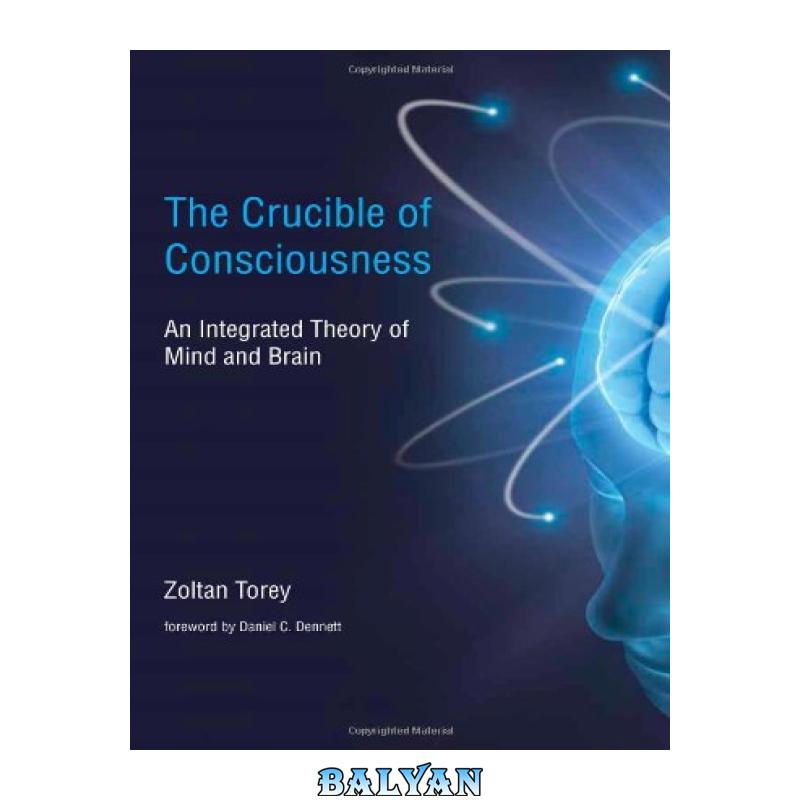


دانلود کتاب The crucible of consciousness: an integrated theory of mind and brain
49,000 تومان
بوته آگاهی: تئوری یکپارچه ذهن و مغز
| نوع کالا | کتاب الکترونیکی |
|---|---|
| ناشر | MIT Press |
| تعداد صفحه | 265 |
| حجم فایل | 873 کیلوبایت |
| کد کتاب | 026251284X,9780262512848 |
| نویسنده | Daniel C. Dennett, Zoltan Torey |
|---|---|
| زبان | انگلیسی |
| فرمت | |
| سال انتشار | 2009 |
جدول کد تخفیف
| تعداد کتاب | درصد تخفیف | قیمت کتاب |
| 1 | بدون تخفیف | 25,000 تومان |
| 2 | 20 درصد | 20,000 تومان |
| 3 الی 5 | 25 درصد | 18,750 تومان |
| 6 الی 10 | 30 درصد | 17,500 تومان |
| 11 الی 20 | 35 درصد | 16,250 تومان |
| 21 الی 30 | 40 درصد | 15,000 تومان |
| 31 الی 40 | 45 درصد | 13,750 تومان |
| 41 الی 50 | 50 درصد | 12,500 تومان |
| 51 الی 70 | 55 درصد | 11,250 تومان |
| 71 الی 100 | 60 درصد | 10,000 تومان |
| 101 الی 150 | 65 درصد | 8,750 تومان |
| 151 الی 200 | 70 درصد | 7,500 تومان |
| 201 الی 300 | 75 درصد | 6,250 تومان |
| 301 الی 500 | 80 درصد | 5,000 تومان |
| 501 الی 1000 | 85 درصد | 3,750 تومان |
| 1001 الی 10000 | 90 درصد | 2,500 تومان |
ترجمه فارسی توضیحات (ترجمه ماشینی)
بوته آگاهی: تئوری یکپارچه ذهن و مغز
روش توری برای قرار دادن چیزها، نور تازهای را بر آنچه در مغز «محاسباتی» میگذرد میتاباند، زیرا او باید استعارههای جایگزینی برای مقایسه با رایانهها پیدا کند. همانطور که شاعران اغلب درمییابند که محدودیتهای قافیه و متر آنها را مجبور میکند تا عبارات بسیار مناسبی از افکار خود را کشف کنند، معلوم میشود که ارائه یک نظریه محاسباتی ذهن در شرایط غیر محاسباتی قاطعانه سودمندی دارد. برای خوانندگان این کتاب چیزهای زیادی برای جبران وجود دارد: برای افراد ناآشنا، مقدمه ای برازنده و عاقلانه برای بسیاری از مشکلات و بحث های اصلی است. برای کهنهسربازان، این منبع بسیار غنی از انحرافهای متفاوت در مورد موضوعات آشنا است.» – دانیل سی. دنت، مدیر مرکز مطالعات شناختی دانشگاه تافتس و نویسنده کتاب رویاهای شیرین در بوته آگاهی، زولتان توری پیشنهاد میدهد. نظریه ذهن و نقش اصلی آن در تکامل او پیشرفت تکاملی را ردیابی می کند که مغز را در دسترس خودش قرار می دهد و نشان می دهد که مغز تقویت شده چگونه کار می کند. او تشخیص می دهد که چه چیزی آگاهی خود-انعکاسی انسان را از آگاهی حیوانی صرف جدا می کند و پشتوانه های عصبی و زبانی آن را ترسیم می کند. و او به طور بحث برانگیز استدلال می کند که تکنیک های عصبی آگاهی بازتابی نمی توانند نه الگوریتمی باشند و نه معنوی – نه یک کامپیوتر و نه یک روح در ماشین. ذهن انسان منحصر به فرد است. این نه تنها مرکز دانش ماست، بلکه حد بیرونی دسترسی فکری ما نیز هست. توری می نویسد، نه برای حل معمای ذهن خودآگاه، بر خلاف انگیزه تکاملی است که آن را ایجاد کرده است. توری مدلی را پیشنهاد می کند که تمام عناصر تشکیل دهنده پازل را در یک تمرکز واحد قرار می دهد: نحوه عملکرد مغز، اجزای عملکردی آن و تعاملات آنها. چگونه زبان تکامل یافته و نحو چگونه از بستر معنایی از طریق تراکنش های عصبی تکامل یافته است. و چرا مغز اعطایی ذهن خود را با برداشتهایی از نوع انتلکی فریب میدهد. توری ابتدا ظهور مرتبط با زبان ذهن را دنبال میکند، زیرسیستم مغز که آن را قادر میسازد از خود آگاه شود. او سپس این سیستم را بررسی می کند: آگاهی چگونه کار می کند، چرا برای درون نگری شفاف نیست، و چه معنایی در زمینه تکامل دارد. “انقلاب آگاهی” و تمرکز یکپارچه علوم اعصاب امکان ساختن قبلی را فراهم کرده است. ایده های مرموز در مورد ذهن انسان مدل ذهن توری نتیجه منطقی این است که نقشی منسجم و معنادار را برای بشریت آگاهانه برجسته می کند.
”Torey’s way of putting things sheds new light on just what is going on in the ‘computational’ brain, since he has to find alternative metaphors to stand in for the now somewhat overworked comparison with computers. Just as poets often find that the constraints of rhyme and meter force them to discover strikingly apt expressions of their thoughts, it turns out that couching a computational theory of the mind in resolutely noncomputational terms pays dividends. There is much to repay readers in this book: to the uninitiated, it is a graceful and wise introduction to many of the central problems and arguments; to the veterans, it is a quite bountiful source of arrestingly different slants on familiar topics.”—Daniel C. Dennett, Director of the Center for Cognitive Studies, Tufts University and author of Sweet DreamsIn The Crucible of Consciousness, Zoltan Torey offers a theory of the mind and its central role in evolution. He traces the evolutionary breakthrough that rendered the brain accessible to itself and shows how the mind-boosted brain works. He identifies what it is that separates the human’s self-reflective consciousness from mere animal awareness, and he maps its neural and linguistic underpinnings. And he argues, controversially, that the neural technicalities of reflective awareness can be neither algorithmic nor spiritual—neither a computer nor a ghost in the machine.The human mind is unique; it is not only the epicenter of our knowledge but also the outer limit of our intellectual reach. Not to solve the riddle of the self-aware mind, writes Torey, goes against the evolutionary thrust that created it. Torey proposes a model that brings into a single focus all the elements that make up the puzzle: how the brain works, its functional components and their interactions; how language evolved and how syntax evolved out of the semantic substrate by way of neural transactions; and why the mind-endowed brain deceives itself with entelechy-type impressions.Torey first traces the language-linked emergence of the mind, the subsystem of the brain that enables it to be aware of itself. He then explores this system: how consciousness works, why it is not transparent to introspection, and what sense it makes in the context of evolution.The ”consciousness revolution” and the integrative focus of neuroscience have made it possible to make concrete formerly mysterious ideas about the human mind. Torey’s model of the mind is the logical outcome of this, highlighting a coherent and meaningful role for a reflectively aware humanity.
برای فرستادن دیدگاه، باید وارد شده باشید.






نقد و بررسیها
هنوز بررسیای ثبت نشده است.