
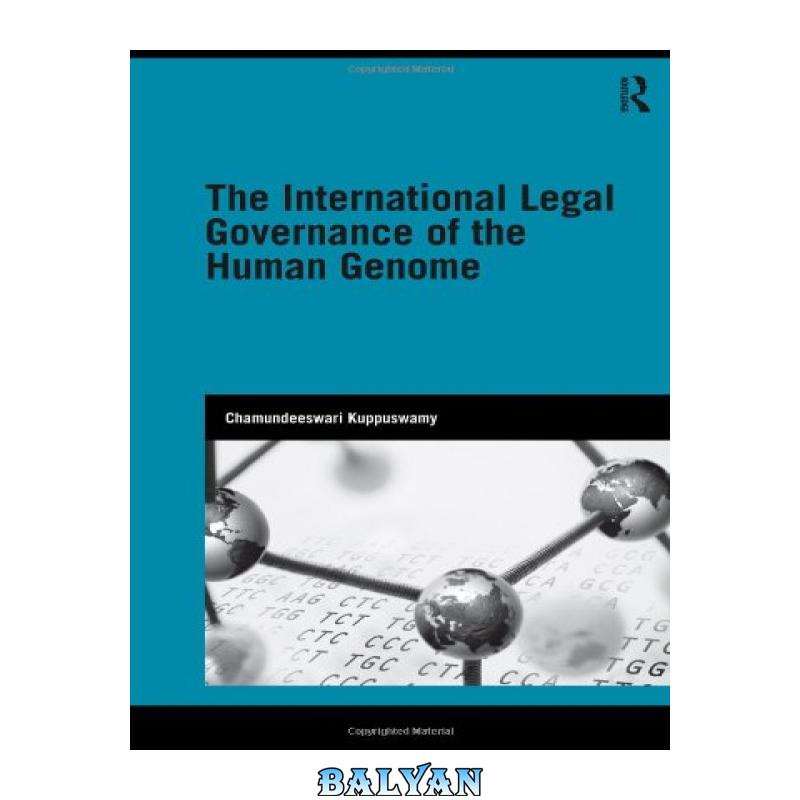


دانلود کتاب The International Legal Governance of the Human Genome (Genetics and Society)
49,000 تومان
حاکمیت حقوقی بین المللی ژنوم انسانی (ژنتیک و جامعه)
| موضوع اصلی | ژنتیک |
|---|---|
| نوع کالا | کتاب الکترونیکی |
| ناشر | Routledge |
| تعداد صفحه | 225 |
| حجم فایل | 937 کیلوبایت |
| کد کتاب | 0415458579,9780415458573,9780203929407 |
| نوبت چاپ | 1 |
| نویسنده | Chamundeeswari Kuppuswamy |
|---|---|
| زبان | انگلیسی |
| فرمت | |
| سال انتشار | 2009 |
جدول کد تخفیف
| تعداد کتاب | درصد تخفیف | قیمت کتاب |
| 1 | بدون تخفیف | 25,000 تومان |
| 2 | 20 درصد | 20,000 تومان |
| 3 الی 5 | 25 درصد | 18,750 تومان |
| 6 الی 10 | 30 درصد | 17,500 تومان |
| 11 الی 20 | 35 درصد | 16,250 تومان |
| 21 الی 30 | 40 درصد | 15,000 تومان |
| 31 الی 40 | 45 درصد | 13,750 تومان |
| 41 الی 50 | 50 درصد | 12,500 تومان |
| 51 الی 70 | 55 درصد | 11,250 تومان |
| 71 الی 100 | 60 درصد | 10,000 تومان |
| 101 الی 150 | 65 درصد | 8,750 تومان |
| 151 الی 200 | 70 درصد | 7,500 تومان |
| 201 الی 300 | 75 درصد | 6,250 تومان |
| 301 الی 500 | 80 درصد | 5,000 تومان |
| 501 الی 1000 | 85 درصد | 3,750 تومان |
| 1001 الی 10000 | 90 درصد | 2,500 تومان |
ترجمه فارسی توضیحات (ترجمه ماشینی)
حاکمیت حقوقی بین المللی ژنوم انسانی (ژنتیک و جامعه)
ژنوم انسان نماد شناخته شده پیشرفت علمی و فناوری در قرن بیست و یکم است. با این حال، نگرانی در مورد تشدید نابرابری بین افراد غنی و فقیر، کشورهای در حال توسعه و توسعه یافته، افراد سالم و ناسالم مشکلاتی را برای پیشرفت تحقیقات علمی ایجاد می کند. جامعه بین المللی در حال حرکت به سمت رویکرد حقوق بشر در رسیدگی به این نگرانی ها است.
تا زمانی که به مسائل اساسی در مورد حقوق اقتصادی، اجتماعی و فرهنگی، به اصطلاح نسل دوم حقوق بشر، پرداخته نشود، چنین رویکردی مقطعی و بی اثر خواهد بود. این کتاب استدلال میکند که برای اینکه بتوان چارچوب حقوق بشر را به طور معناداری در حکومت ژنوم انسان به کار برد، چارچوب بینالمللی حقوق بشر باید بر اساس یک نظریه یکپارچه حقوق بشر باشد که در آن تمایز بین حقوق مثبت و منفی تعیین میشود. گذشته از.
این کتاب یک مفهوم میراث مشترک با حق توسعه در هسته آن ایجاد می کند و محتوای حق توسعه را از طریق نظریه عقلانی حقوق بشر بررسی می کند. استدلال می شود که مفهوم حقوق مالکیت در ژنوم انسان باید در چارچوب حمایت از حقوق بشر، از جمله حق توسعه قرار گیرد. مفهوم میراث مشترک بشریت، بر خلاف باور عمومی مبنی بر اینکه در تقابل با ثبت اختراع توالی های ژنی است، از مفاهیم حقوق بشری حقوق مالکیت حمایت می کند.
این کتاب شکافی در ادبیات حاکمیت حقوقی بینالمللی ژنوم انسان را پر میکند، یک نقطه مرجع ضروری برای تحقیق در مورد حق توسعه، مسائل توسعه در اخلاق زیستی، نقش نهادهای بینالمللی در قانونگذاری و حکومت تحقیق.
این کتاب نهم از سری کتابهای ژنتیک جامعه است. ترویج این کتاب از طریق فهرست کاوندیش
حیاتی استThe human genome is a well known symbol of scientific and technological progress in the 21st century. However, concerns about the exacerbation of inequalities between the rich and the poor, the developing and the developed states, the healthy and the unhealthy are causing problems for the progress of scientific research. The international community is moving towards a human rights approach in addressing these concerns.
Such an approach will be piecemeal and ineffective so long as fundamental issues about economic, social and cultural rights, the so-called second generation of human rights, are not addressed. This book argues that, in order to be able to meaningfully apply a human rights framework to the governance of the human genome, the international human rights framework should be based on a unified theory of human rights where the distinction between positive and negative rights is set aside.
The book constructs a common heritage concept with the right to development at its core and explores the content of the right to development through rational human rights theory. It is argued that the notion of property rights in the human genome should be placed within the context of protecting human rights, including the right to development. The concept of common heritage of humanity, contrary to the widely held belief that it is in opposition to patenting of gene sequences, supports human rights-based conceptions of property rights.
This book fills a gap in the literature on international legal governance of the human genome will provide an essential reference point for research into the right to development, development issues in bioethics, the role of international institutions in law making and research governance.
This is book nine in the Genetics of Society book series. It is vital to promote this book via the Cavendish list
برای فرستادن دیدگاه، باید وارد شده باشید.






نقد و بررسیها
هنوز بررسیای ثبت نشده است.