
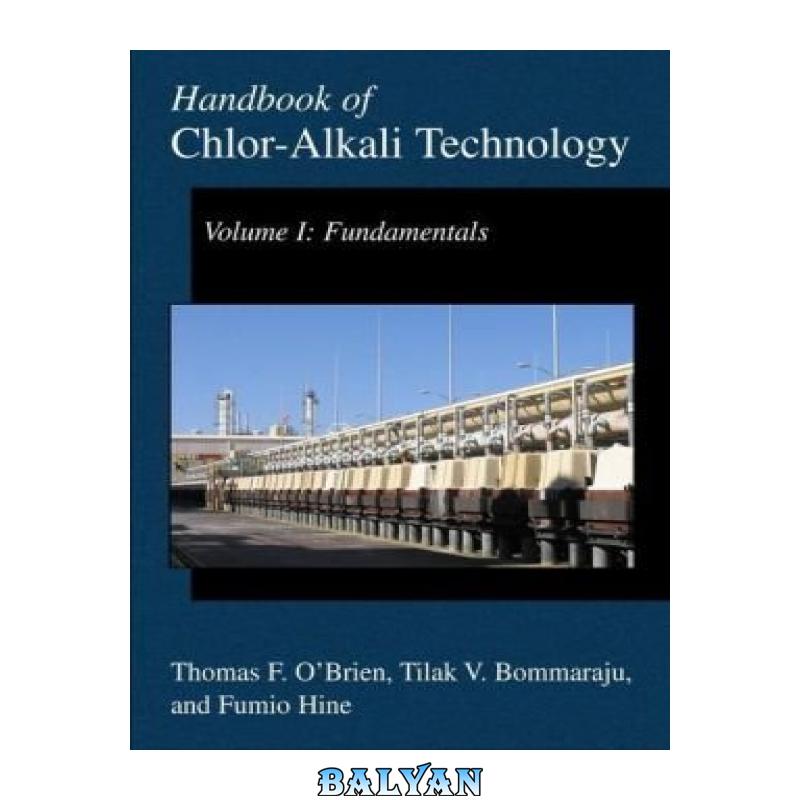


دانلود کتاب Handbook of Chlor-Alkali Technology: Volume I: Fundamentals, Volume II: Brine Treatment and Cell Operation, Volume III: Facility Design and Product Handling, … Developments (Developments in Hydrobiology)
49,000 تومان
کتاب راهنمای فناوری کلر قلیایی: جلد اول: مبانی، جلد دوم: تصفیه آب نمک و عملیات سلولی، جلد سوم: طراحی تاسیسات و مدیریت محصول، … تحولات (توسعه در هیدروبیولوژی)
| موضوع اصلی | میکروبیولوژی |
|---|---|
| نوع کالا | کتاب الکترونیکی |
| تعداد صفحه | 1668 |
| حجم فایل | 89 مگابایت |
| کد کتاب | 0306486237,9780306486234 |
| نوبت چاپ | 1 |
| نویسنده | Fumio Hine, Thomas F. O’Brien, Tilak V. Bommaraju |
|---|---|
| زبان | انگلیسی |
| فرمت | |
| سال انتشار | 2005 |
جدول کد تخفیف
| تعداد کتاب | درصد تخفیف | قیمت کتاب |
| 1 | بدون تخفیف | 25,000 تومان |
| 2 | 20 درصد | 20,000 تومان |
| 3 الی 5 | 25 درصد | 18,750 تومان |
| 6 الی 10 | 30 درصد | 17,500 تومان |
| 11 الی 20 | 35 درصد | 16,250 تومان |
| 21 الی 30 | 40 درصد | 15,000 تومان |
| 31 الی 40 | 45 درصد | 13,750 تومان |
| 41 الی 50 | 50 درصد | 12,500 تومان |
| 51 الی 70 | 55 درصد | 11,250 تومان |
| 71 الی 100 | 60 درصد | 10,000 تومان |
| 101 الی 150 | 65 درصد | 8,750 تومان |
| 151 الی 200 | 70 درصد | 7,500 تومان |
| 201 الی 300 | 75 درصد | 6,250 تومان |
| 301 الی 500 | 80 درصد | 5,000 تومان |
| 501 الی 1000 | 85 درصد | 3,750 تومان |
| 1001 الی 10000 | 90 درصد | 2,500 تومان |
ترجمه فارسی توضیحات (ترجمه ماشینی)
کتاب راهنمای فناوری کلر قلیایی: جلد اول: مبانی، جلد دوم: تصفیه آب نمک و عملیات سلولی، جلد سوم: طراحی تاسیسات و مدیریت محصول، … تحولات (توسعه در هیدروبیولوژی)
پیشگفتار: – جای تعجب است که ما مجبور شدیم اینقدر منتظر کتاب جدیدی باشیم که به بررسی جامع فناوری تولید کلر-قلیایی میپردازد. فنآوران هنوز تا حد زیادی به کتاب کلاسیک ویرایش شده توسط اسکانس بسنده میکنند، اما این کتاب بیش از سی سال قدمت دارد. در زمان انتشار آن، آندهای فلزی تازه در حال ظهور بودند و فناوری غشای تبادل یونی به آزمایشگاهها محدود شد. دایرهالمعارفهای مختلف فناوری صنعتی اطلاعات بهروزتری دارند، اما لزوماً دامنهشان محدود است. اشمیتینگر اخیراً یک درمان کوتاهتر عالی از حوزه وسیع فناوری و کاربردهای کلر ارائه کرده است. پس از بحث در مورد الکترولیز و انواع اصلی سلول، این نیز پوشش مختصری به آب نمک و فرآوری محصول می دهد. سپس با تشریح مشتقات عمده و استفاده مستقیم از کلر و بحث در مورد مسائل زیست محیطی ادامه می یابد. آخرین ویژگی ذکر شده در بالا، نویسندگان این اثر را از تعهد پوشش برنامه ها با هر جزئیاتی رها کرده است. در عوض، آنها یک درمان متمرکز از تمام جنبه های فناوری و جابجایی که مستقیماً با محصولات الکترولیز مرتبط است را ارائه می دهند. این زمینه از تاریخچه صنعت، از مبانی ترمودینامیک و الکتروشیمی، تا تصفیه و دفع ضایعات تولید را پوشش می دهد. سلول های غشایی به عنوان پیشرفته ترین حالت در نظر گرفته می شوند، اما این کتاب سلول های جیوه و دیافراگم را نادیده نمی گیرد. آنها هم از منظر تاریخی و هم به عنوان نمونه هایی از فناوری فعلی در نظر گرفته می شوند که هنوز در حال تکامل و بهبود هستند. در قلب مدیر یورو کلر، این کتاب همچنین توجه ویژه ای به حمل و نقل ایمن محصولات، تعهدات مسئولیت مسئولیت پذیر (r) و مدیریت ایمنی فرآیند دارد. سایر موضوعات اصلی عبارتند از خوردگی، غشاها، طراحی الکترولیز، آماده سازی و تصفیه آب نمک، و طراحی و بهره برداری از تاسیسات فرآوری. شاید به طور منحصر به فرد، این کتاب همچنین شامل فصلی در مورد راه اندازی کارخانه است. پوشش غشاها هم اساسی و هم کاربردی است. فرآیندهای حمل و نقل اساسی و تجربه عملی با انواع موجود غشاء هر دو پوشش داده شده است. همین امر در مورد طراحی الکترولایزر نیز صادق است. این کتاب به بررسی فرآیندهای پایه الکترود و اصول توزیع جریان در الکترولیزها و همچنین ویژگیهای طرحهای سلول پیشرو میپردازد. نویسندگان تصمیم گرفتهاند تا موضوع بحرانی تصفیه آب نمک را در دو فصل جداگانه بررسی کنند. فصل تولید و تصفیه آب نمک ابتدا منابع نمک و تکنیک های مورد استفاده برای تهیه آب نمک را پوشش می دهد. سپس مکانیسمهایی را توضیح میدهد که توسط آن ناخالصیهای آب نمک بر عملکرد سلول تأثیر میگذارند و فرآیندهایی را که میتوان از طریق آنها حذف یا کنترل کرد، تشریح میکند. ضمن اشاره به فقدان علم بنیادی در بسیاری از فرآیندها، عملیات واحدهای مختلف را به صورت پدیدارشناسی توصیف میکند و روشهای اندازهگیری تجهیزات و انتخاب مصالح ساختمانی را مورد بحث قرار میدهد. فصل مربوط به پردازش و جابجایی محصولات نیز به همین ترتیب جامع است. باز هم، خوب است ببینیم که نویسندگان بحث طولانی در مورد روش ها و امکانات ایمن برای جابجایی محصولات، به ویژه کلر مایع، گنجانده اند. در حالی که بحث در مورد مراحل مختلف پردازش شامل موضوع کنترل فرآیند است، همچنین یک فصل جداگانه در مورد ابزار دقیق وجود دارد که بیشتر سخت افزار محور است. سایر فصول به سیستم های تاسیساتی، طراحی و چیدمان اتاق سلول (با تاکید بر تامین جریان مستقیم)، فرآیندهای جایگزین برای تولید کلر یا کاستیک بدون دیگری، تولید هیپوکلریت، بهداشت صنعتی و گمانه زنی ها در مورد پیشرفت های آتی می پردازد. فن آوری. یک پیوست با داده های خصوصیات فیزیکی انتخاب شده وجود دارد. نویسندگان به صورت جداگانه تجربه گسترده ای در فناوری کلر قلیایی اما با زمینه ها و زمینه های تخصصی متنوع دارند. این به آنها امکان می دهد هم به وسعت و هم عمقی که در اینجا ارائه می شود دست یابند. این کار به پنج جلد تقسیم شده است که به طور متوالی به درمان اصولی، آماده سازی و تصفیه آب نمک، فناوری تولید، سیستم های پشتیبانی مانند ابزارآلات و ابزار دقیق و موضوعات جانبی می پردازد. هر کسی که علاقه مند به زمینه بزرگ تولید و توزیع کلر-قلیایی، و در واقع در الکتروشیمی صنعتی به طور کلی باشد، چیز مفیدی در اینجا پیدا خواهد کرد. کار به دانش آموزان توصیه می شود. تکنسین های کلر قلیایی؛ الکتروشیمیایی ها مهندسین؛ و تولید کنندگان، ارسال کنندگان، بسته بندی ها، توزیع کنندگان و مصرف کنندگان کلر، سود سوزآور و پتاس سوز آور. این کتاب کاملاً به روز است و باید به مرجع استاندارد در زمینه خود تبدیل شود. Barrie S. Gilliatt، مدیر اجرایی Euro Chlor
Foreword:- It is surprising that we had to wait so long for a new book that gives a comprehensive treatment of chlor-alkali manufacturing technology. Technologists are largely still making do with the classical book edited by Sconce, but that is more than thirty years old. At the time of its publication, metal anodes were just beginning to appear, and ion-exchange membrane technology was confined to laboratories. The various encyclopedias of industrial technology have more up-to-date information, but they are necessarily limited in their scope. Schmittinger recently provided an excellent shorter treatment of the broad field of chlorine technology and applications. After discussing electrolysis and the principal types of cell, this, too, gives rather brief coverage to brine and product processing. It then follows on with descriptions of the major derivatives and direct uses of chlorine and a discussion of environmental issues. The last feature named above has relieved the authors of this work of the obligation to cover applications in any detail. Instead, they provide a concentrated treatment of all aspects of technology and handling directly related to the products of electrolysis. It covers the field from a history of the industry, through the fundamentals of thermodynamics and electrochemistry, to the treatment and disposal of the waste products of manufacture. Membrane cells are considered the state of the art, but the book does not ignore mercury and diaphragm cells. They are considered both from a historical perspective and as examples of current technology that is still evolving and improving. Dear to the heart of a director of Euro Chlor, the book also pays special attention to safe handling of the products, the obligations of Responsible Care(r), and process safety management. Other major topics include corrosion, membranes, electrolyzer design, brine preparation and treatment, and the design and operation of processing facilities. Perhaps uniquely, the book also includes a chapter on plant commissioning. The coverage of membranes is both fundamental and applied. The underlying transport processes and practical experience with existing types of membrane both are covered. The same is true of electrolyzer design. The book explores the basic electrode processes and the fundamentals of current distribution in electrolyzers as well as the characteristics of the leading cell designs. The authors have chosen to treat the critical subject of brine treatment in two separate chapters. The chapter on brine production and treatment first covers the sources of salt and the techniques used to prepare brine. It then explains the mechanisms by which brine impurities affect cell performance and outlines the processes by which they can be removed or controlled. While pointing out the lack of fundamental science in much of the process, it describes the various unit operations phenomenologically and discusses methods for sizing equipment and choosing materials of construction. The chapter on processing and handling of products is similarly comprehensive. Again, it is good to see that the authors have included a lengthy discussion of safe methods and facilities for the handling of the products, particularly liquid chlorine. While the discussion of the various processing steps includes the topic of process control, there is also a separate chapter on instrumentation which is more hardware-oriented. Other chapters deal with utility systems, cell room design and arrangement (with an emphasis on direct current supply), alternative processes for the production of either chlorine or caustic without the other, the production of hypochlorite, industrial hygiene, and speculations on future developments in technology. There is an Appendix with selected physical property data. The authors individually have extensive experience in chlor-alkali technology but with diverse backgrounds and fields of specialization. This allows them to achieve both the breadth and the depth which are offered here. The work is divided into five volumes, successively treating fundamentals, brine preparation and treatment, production technology, support systems such as utilities and instrumentation, and ancillary topics. Anyone with interest in the large field of chlor-alkali manufacture and distribution, and indeed in industrial electrochemistry in general, will find something useful here. The work is recommended to students; chlor-alkali technologists; electrochemists; engineers; and producers, shippers, packagers, distributors, and consumers of chlorine, caustic soda, and caustic potash. This book is thoroughly up to date and should become the standard reference in its field. Barrie S. Gilliatt, Executive Director, Euro Chlor
برای فرستادن دیدگاه، باید وارد شده باشید.


نقد و بررسیها
هنوز بررسیای ثبت نشده است.