
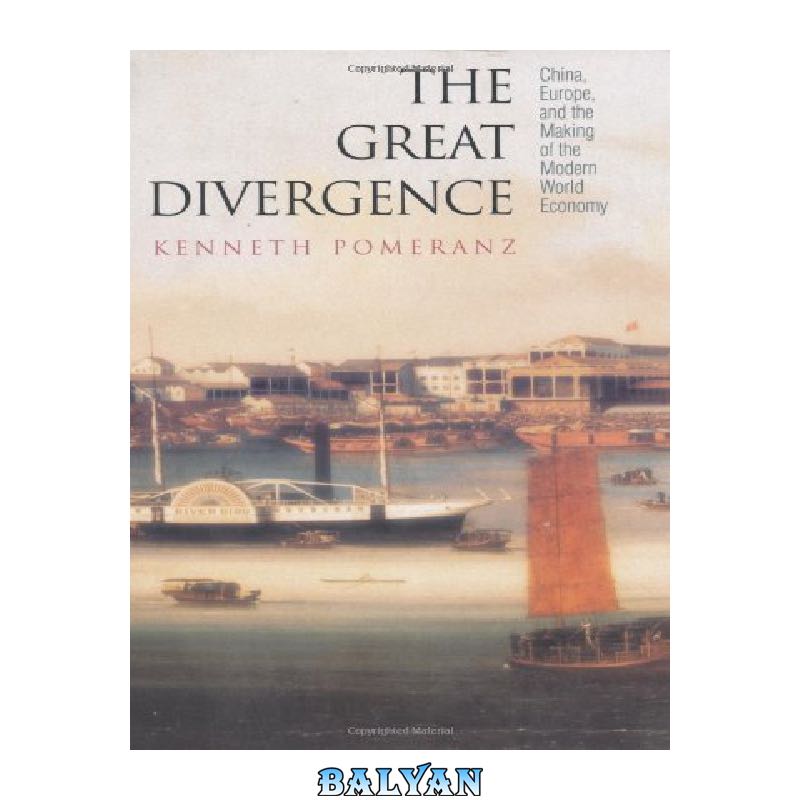


دانلود کتاب The Great Divergence: China, Europe, and the Making of the Modern World Economy
49,000 تومان
واگرایی بزرگ: چین، اروپا و ایجاد اقتصاد جهانی مدرن
| موضوع اصلی | تجارت و اقتصاد |
|---|---|
| نوع کالا | کتاب الکترونیکی |
| ناشر | Princeton University Press |
| تعداد صفحه | 393 |
| حجم فایل | 3.09 مگابایت |
| کد کتاب | 0691090106 , 9780691090108 |
| نوبت چاپ | تجدید نظر شده است |
| نویسنده | Kenneth Pomeranz |
|---|---|
| زبان | انگلیسی |
| فرمت | |
| سال انتشار | 2001 |
جدول کد تخفیف
| تعداد کتاب | درصد تخفیف | قیمت کتاب |
| 1 | بدون تخفیف | 25,000 تومان |
| 2 | 20 درصد | 20,000 تومان |
| 3 الی 5 | 25 درصد | 18,750 تومان |
| 6 الی 10 | 30 درصد | 17,500 تومان |
| 11 الی 20 | 35 درصد | 16,250 تومان |
| 21 الی 30 | 40 درصد | 15,000 تومان |
| 31 الی 40 | 45 درصد | 13,750 تومان |
| 41 الی 50 | 50 درصد | 12,500 تومان |
| 51 الی 70 | 55 درصد | 11,250 تومان |
| 71 الی 100 | 60 درصد | 10,000 تومان |
| 101 الی 150 | 65 درصد | 8,750 تومان |
| 151 الی 200 | 70 درصد | 7,500 تومان |
| 201 الی 300 | 75 درصد | 6,250 تومان |
| 301 الی 500 | 80 درصد | 5,000 تومان |
| 501 الی 1000 | 85 درصد | 3,750 تومان |
| 1001 الی 10000 | 90 درصد | 2,500 تومان |
ترجمه فارسی (ترجمه ماشینی)
واگرایی بزرگ بینش جدیدی را به یکی از پرسشهای کلاسیک تاریخ به ارمغان میآورد: چرا با وجود شباهتهای شگفتانگیز بین مناطق پیشرفته اروپا و شرق آسیا، رشد صنعتی پایدار در شمال غربی اروپا آغاز شد؟ همانطور که کن پومرانز نشان می دهد، تا سال 1750، مشابهت بین این دو بخش از جهان در امید به زندگی، مصرف، بازارهای محصول و عوامل و استراتژی های خانوارها بسیار بالا بود. شاید شگفتانگیزتر از همه، پومرانز نشان میدهد که هستههای چین و ژاپن از نظر اکولوژیکی بدتر از اروپای غربی نبودند. نواحی اصلی در سراسر جهان قدیم قرن هجدهم با کمبودهای محلی قابل مقایسه در محصولات زمین فشرده مواجه بودند، کمبودهایی که تنها تا حدی با تجارت برطرف شد. جایگزین چوب این امر عدم موفقیت اروپا در استفاده فشرده از زمین خود را با مشکل کمتری مواجه کرد و در عین حال امکان رشد در صنایع انرژی بر را فراهم کرد. یکی دیگر از تفاوت های اساسی که او اشاره می کند مربوط به تجارت است. شرایط تصادفی جهانی، قاره آمریکا را به منبع بزرگتری از محصولات اولیه مورد نیاز اروپا نسبت به سایر کشورهای پیرامونی آسیا تبدیل کرد. این امر به اروپای شمال غربی اجازه داد تا به طور چشمگیری از نظر جمعیت رشد کند، در کارخانهها تخصص بیشتری پیدا کند و نیروی کار را از زمین حذف کند، با استفاده از افزایش واردات به جای حداکثر کردن بازده. زغال سنگ و جهان جدید با هم به اروپا اجازه دادند تا در مسیرهای صرفه جویی در منابع و نیروی کار رشد کند. در همین حال، آسیا به بن بست رسید. اگرچه مناطق داخلی آسیای شرقی پس از سال 1750، هم از نظر جمعیت و هم از نظر تولید رونق گرفت، این رشد مانع از صادرات منابع حیاتی این مناطق به دلتای یانگزی تولید کننده پارچه شد. در نتیجه، رشد هسته اصلی اقتصاد آسیای شرقی اساسا متوقف شد، و رشدی که وجود داشت در مسیرهای پرکار و صرفه جویی در منابع قرار گرفت – مسیرهایی که اروپا نیز میتوانست به زور پایین بیاید، اگر به خاطر ذخایر منابع مطلوب نبود. از زیرزمینی و خارج از کشور
برای فرستادن دیدگاه، باید وارد شده باشید.
محصولات مرتبط


دانلود کتاب Doing Recent History: On Privacy, Copyright, Video Games, Institutional Review Boards, Activist Scholarship, and History That Talks Back
| موضوع اصلی | تاریخ - مطالعات آمریکایی |
|---|---|
| نوع کالا | کتاب الکترونیکی |
| ناشر | University of Georgia Press |
| تعداد صفحه | 324 |
| حجم فایل | 3.05 مگابایت |
| کد کتاب | 0820343021 , 9780820343020 |




نقد و بررسیها
هنوز بررسیای ثبت نشده است.