


دانلود کتاب The Portuguese and the Straits of Melaka, 1575-1619: Power, Trade and Diplomacy
49,000 تومان
پرتغالی ها و تنگه های ملاکا، 1575-1619: قدرت، تجارت و دیپلماسی
| موضوع اصلی | جامعه، سیاست و فلسفه – دولت و سیاست |
|---|---|
| نوع کالا | کتاب الکترونیکی |
| ناشر | NUS Press |
| تعداد صفحه | 416 / 413 |
| حجم فایل | 22.43 مگابایت |
| کد کتاب | 9971695707 , 9789971695705 |
| نوبت چاپ | مصور |
| نویسنده | Paulo Jorge de Sousa Pinto |
|---|---|
| زبان | انگلیسی |
| فرمت | |
| سال انتشار | 2012 |
جدول کد تخفیف
| تعداد کتاب | درصد تخفیف | قیمت کتاب |
| 1 | بدون تخفیف | 25,000 تومان |
| 2 | 20 درصد | 20,000 تومان |
| 3 الی 5 | 25 درصد | 18,750 تومان |
| 6 الی 10 | 30 درصد | 17,500 تومان |
| 11 الی 20 | 35 درصد | 16,250 تومان |
| 21 الی 30 | 40 درصد | 15,000 تومان |
| 31 الی 40 | 45 درصد | 13,750 تومان |
| 41 الی 50 | 50 درصد | 12,500 تومان |
| 51 الی 70 | 55 درصد | 11,250 تومان |
| 71 الی 100 | 60 درصد | 10,000 تومان |
| 101 الی 150 | 65 درصد | 8,750 تومان |
| 151 الی 200 | 70 درصد | 7,500 تومان |
| 201 الی 300 | 75 درصد | 6,250 تومان |
| 301 الی 500 | 80 درصد | 5,000 تومان |
| 501 الی 1000 | 85 درصد | 3,750 تومان |
| 1001 الی 10000 | 90 درصد | 2,500 تومان |
ترجمه فارسی (ترجمه ماشینی)
پس از سقوط سلطنت ملاکا به دست پرتغالی ها در سال 1511، سلطان نشین های جوهور و آچه به عنوان مراکز تجاری اصلی در کنار ملاکا پرتغالی ظاهر شدند. هر قدرتی نماینده منافع جهانی گسترده تری بود. آچه با گجرات، امپراتوری عثمانی و شام ارتباط داشت. جوهور مرکز بازرگانان جاوه و سایرین بود که با تجارت ادویه شرقی درگیر بودند. ملاکا بخشی از <em>Estado da India</em>، امپراتوری تجاری پرتغال بود که از ژاپن تا موزامبیک گسترش داشت. در طول قرن شانزدهم، تعادل عجیب بین سه قدرت به یکی از ویژگی های مهم زندگی سیاسی و اقتصادی در تنگه ملاکا تبدیل شد. ورود هلندی ها در اوایل قرن هفدهم تعادل را بر هم زد و به زوال ملاکا پرتغالی انجامید. </p> “پائولو پینتو” با استفاده گسترده از منابع پرتغالی معاصر، از رویکرد ژئوپلیتیکی برای تحلیل نهادهای مالی، سیاسی، اقتصادی و نظامی که زیربنای این ترتیب مثلثی هستند، استفاده میکند، سیستمی که به این دلیل ادامه داشت که هیچ قدرتی نمیتوانست به هژمونی بلامنازع دست یابد. او همچنین موقعیت Melaka پس از فتح را در جهان مالایی در نظر می گیرد، جایی که علیرغم تغییرات مرتبط با حکومت پرتغال، مرکز نمادین تمدن مالایی و الگویی از اقتدار سیاسی مالایی باقی ماند. در این فرآیند اطلاعاتی در مورد شرایط اجتماعی، سیاسی و تبارشناسی سلطنتهای جوهور و آچه ارائه میشود. پس از سقوط سلطنت ملاکا به دست پرتغالی ها در سال 1511، سلطان نشین های جوهور و آچه به عنوان مراکز تجاری بزرگ در کنار ملاکا پرتغالی ظاهر شدند. هر قدرتی نماینده منافع جهانی گسترده تری بود. آچه با گجرات، امپراتوری عثمانی و شام ارتباط داشت. جوهور مرکز بازرگانان جاوه و سایرین بود که با تجارت ادویه شرقی درگیر بودند. ملاکا بخشی از <em>Estado da India</em>، امپراتوری تجاری پرتغال بود که از ژاپن تا موزامبیک گسترش داشت. در طول قرن شانزدهم، تعادل عجیب بین سه قدرت به یکی از ویژگی های مهم زندگی سیاسی و اقتصادی در تنگه ملاکا تبدیل شد. ورود هلندی ها در اوایل قرن هفدهم تعادل را بر هم زد و به زوال ملاکا پرتغالی انجامید. </p> “پائولو پینتو” با استفاده گسترده از منابع پرتغالی معاصر، از رویکرد ژئوپلیتیکی برای تحلیل نهادهای مالی، سیاسی، اقتصادی و نظامی که زیربنای این ترتیب مثلثی هستند، استفاده میکند، سیستمی که به این دلیل ادامه داشت که هیچ قدرتی نمیتوانست به هژمونی بلامنازع دست یابد. او همچنین موقعیت Melaka پس از فتح را در جهان مالایی در نظر می گیرد، جایی که علیرغم تغییرات مرتبط با حکومت پرتغال، مرکز نمادین تمدن مالایی و الگویی از اقتدار سیاسی مالایی باقی ماند. در این فرآیند اطلاعاتی در مورد شرایط اجتماعی، سیاسی و تبارشناسی سلطنتهای جوهور و آچه ارائه میشود. </p>
برای فرستادن دیدگاه، باید وارد شده باشید.
محصولات مرتبط
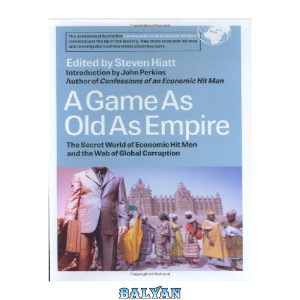
دانلود کتاب A game as old as empire : the secret world of economic hit men and the web of global corruption
| موضوع اصلی | جامعه، سیاست و فلسفه - دولت و سیاست |
|---|---|
| نوع کالا | کتاب الکترونیکی |
| ناشر | Berrett-Koehler Publishers Publishers Group West [distributor] |
| تعداد صفحه | 310 |
| حجم فایل | 2.66 مگابایت |
| کد کتاب | 1605096911 , 9781605096919 |
| نوبت چاپ | ویرایش 1 |





نقد و بررسیها
هنوز بررسیای ثبت نشده است.