


دانلود کتاب Uncovering Heian Japan: An Archaeology of Sensation and Inscription (Asia-Pacific: Culture, Politics, and Society)
49,000 تومان
کشف هیان ژاپن: باستان شناسی احساس و کتیبه (آسیا-اقیانوسیه: فرهنگ، سیاست و جامعه)
| موضوع اصلی | شعر – شعر آمریکایی |
|---|---|
| نوع کالا | کتاب الکترونیکی |
| تعداد صفحه | 248 / 249 |
| حجم فایل | 2.50 مگابایت |
| کد کتاب | 0822380463 , 9780822380467 |
| نویسنده | Thomas Lamarre |
|---|---|
| زبان | انگلیسی |
| فرمت | |
| سال انتشار | 2000 |
جدول کد تخفیف
| تعداد کتاب | درصد تخفیف | قیمت کتاب |
| 1 | بدون تخفیف | 25,000 تومان |
| 2 | 20 درصد | 20,000 تومان |
| 3 الی 5 | 25 درصد | 18,750 تومان |
| 6 الی 10 | 30 درصد | 17,500 تومان |
| 11 الی 20 | 35 درصد | 16,250 تومان |
| 21 الی 30 | 40 درصد | 15,000 تومان |
| 31 الی 40 | 45 درصد | 13,750 تومان |
| 41 الی 50 | 50 درصد | 12,500 تومان |
| 51 الی 70 | 55 درصد | 11,250 تومان |
| 71 الی 100 | 60 درصد | 10,000 تومان |
| 101 الی 150 | 65 درصد | 8,750 تومان |
| 151 الی 200 | 70 درصد | 7,500 تومان |
| 201 الی 300 | 75 درصد | 6,250 تومان |
| 301 الی 500 | 80 درصد | 5,000 تومان |
| 501 الی 1000 | 85 درصد | 3,750 تومان |
| 1001 الی 10000 | 90 درصد | 2,500 تومان |
ترجمه فارسی (ترجمه ماشینی)
شعر دربار هیان ژاپن معمولاً با ظهور یک زبان و فرهنگ ژاپنی متمایز پیوند خورده است. این مفهوم از یک “ژاپنی بودن” از نظر زبانی همگن و از نظر قومی خالص، جزء لاینفک ساخت یک ملت مدرن ژاپنی است، به ویژه در دوره های گسترش استعمار غرب و تجاوز فرهنگی. اما توماس لامار در کشف هیان ژاپن استدلال میکند که این نیاز به یک وحدت فرهنگی – یک هویت منحصربهفرد ژاپنی – منجر به تأکید بیش از حد بر جنبهی نسبتاً جزئی شعر هیان شده است و نه تنها سایر عناصر مهم آن، بلکه متخلخل بودن جامعهی هیان را نیز پنهان میکند. سیاست بیان شاعرانه. لامار با ترکیب یک تحلیل بصری راهگشا از خطی که این شعر با آن رونویسی شده است، یک تحلیل متنی سنتی تر، و مروری بر سیاست آن دوره، دیدگاهی دراماتیک جدید از شعر و فرهنگ هیان ارائه می دهد. او فرض یک «تخیل ملی» منسجم را به چالش میکشد و در عوض ژاپن اولیهای را میبیند که از نظر قومی متنوع، از نظر سرزمینی متخلخل و نسبت به مرزهای زبانی بیتفاوت است. لامار با حل مشکلات ناشی از مفاهیم نهادینه شده ناسیونالیسم، بومی گرایی و مدرنیسم، نظریه های دانشمندانی مانند سوزوکی هیدئو، یوشیموتو تاکاکی و کوماتسو شیگمی را در ارتباط با نظریه پردازانی مانند دریدا، کاراتانی، فوکو و دلوز بازنگری می کند. با مخالفت با این تصور که گفتار در شکل گیری جامعه مرکزی است، کشف هیان ژاپن به جای آن بر محوریت بالقوه عملیات مجازی تر تمرین شاعرانه تمرکز می کند. متخصصان تاریخ و فرهنگ ژاپن و همچنین محققانی که در سایر زمینه های نقد فرهنگی کار می کنند، متوجه خواهند شد که این کتاب درک آنها از ژاپن اولیه را غنی می کند که تأثیر زیادی بر مفاهیم بعدی در مورد معنای ژاپنی بودن گذاشته است.
برای فرستادن دیدگاه، باید وارد شده باشید.
محصولات مرتبط


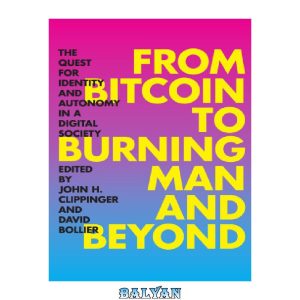
دانلود کتاب From Bitcoin to Burning Man and beyond : the quest for identity and autonomy in a digital society
| موضوع اصلی | جامعه، سیاست و فلسفه - دولت و سیاست |
|---|---|
| نوع کالا | کتاب الکترونیکی |
| ناشر | Published by ID3 in cooperation with Off The Commons Books |
| تعداد صفحه | 200 / 226 |
| حجم فایل | 3.36 مگابایت |
| کد کتاب | 1937146588 , 9781937146580 |





نقد و بررسیها
هنوز بررسیای ثبت نشده است.